- Otaru Travel Guide
- How to Stay in and Get Around Otaru
How to Stay in and Get Around Otaru
JR trains take about 33–46 minutes from Sapporo Station to JR Otaru Station.
The Otaru Express bus takes about an hour from outside Sapporo Station to outside JR Otaru Station.
You can see Otaru on a day trip, but staying overnight lets you make use of the evening and morning too.
If you want to go beyond Otaru, splitting the trip over two or three days makes it easier to plan.
For details on transport, see How to get to Otaru from Sapporo, Hakodate and New Chitose.
First decide: how many days, and whether you will go beyond Otaru
What to decide first is how many days you can spend and where you want to go.
| Trip style | Best for | What you can cover |
|---|---|---|
| Day trip to Otaru | Travelers who want a quick look at central Otaru | A single route linking JR Otaru Station, the Former JNR Temiya Line Site, the canal and Sakaimachi Street |
| Stay in Sapporo, day trip to Otaru | Travelers spending most of their trip in Sapporo | Keep your destinations to central Otaru |
| One night in Otaru | Travelers who want to include an evening and morning in Otaru | Central Otaru, plus either a morning outing or one place outside the center |
| Two or Three Days Based in Otaru | Travelers who also want to visit places such as Shukutsu, Yoichi or Shakotan | Divide the areas by day |
If you stick to the center, a half-day or one-day plan works.
If you go as far as Yoichi or Shakotan, it is easier to plan the route if you put them on a separate day.
Stay in Otaru or Sapporo?
If Sapporo sightseeing is your main focus, you can stay in Sapporo and make Otaru a day trip.
If you want to use the evening or morning in Otaru, you can include a night in Otaru.
At the Otaru Canal, the gas lamps along the promenade are lit at dusk.
If you plan to walk the canal in the evening, see our Otaru Canal guide as well.
If you want to use the morning, there are markets that open early, such as Rinyu Morning Market.
In the center, Otaru Sankaku Market is also an option.
If you are heading to Yoichi, Shakotan or Niseko for the day, From Otaru to Yoichi, Shakotan & Niseko covers each destination separately.
If you are heading to a ski area in winter, see Ski Resorts You Can Reach from Otaru as well.
Areas to stay in Otaru
The Otaru Tourism Association’s accommodation list can be filtered by 13 areas.
They are JR Otaru Station, Otaru Canal, Sakaimachi, Otaru Sushi Street (Otaru Sushiya Dori) / Hanagin, Minami-Otaru Station, Otaru-Chikko, Asarigawa Onsen, Shukutsu & Takashima / Temiya, Mt. Tengu / Otaru University of Commerce, Asari / Zenibako, Shioya / Ranshima, Okusawa / Kiroro, and the Yoichi area.
To look for a place to stay, you can use the area filter on the Otaru Tourism Association’s “Stay in Otaru”.
Accommodation tax (from April 2026)
The City of Otaru introduced an accommodation tax on April 1, 2026.
The city’s tax is 200 yen per person per night.
Hokkaido’s accommodation tax also started on the same date, April 1, 2026.
Within Otaru, the city levies and collects the prefectural portion together with its own.
The total per person per night depends on the room rate (before tax).
| Rate before tax | City and prefecture total |
|---|---|
| Under 20,000 yen | 300 yen |
| 20,000 yen to under 50,000 yen | 400 yen |
| 50,000 yen or more | 700 yen |
School events that meet certain requirements, such as school trips, are exempt.
Details are on the City of Otaru’s accommodation tax page.
A Day Trip Around Otaru
With a half day, walk from JR Otaru Station to the Former JNR Temiya Line Site, then the Otaru Canal and Sakaimachi Street.
On Sakaimachi Street, you can combine Kitaichi Glass and the Otaru Music Box Museum in the same area.
On a day when you spend more time around the canal, you can also add Otaru Art Base.
If you have a full day, add just one area outside the center.
One option is to go to Otaru Sankaku Market in the morning.
If you spend the afternoon outside the center, choose just one of Mt. Tengu or Otaru Aquarium.
For lunch ideas, see our separate guides to sushi in Otaru and Lunch in Otaru.
Even without a car, you can cover the center on foot by keeping your route compact.
If you add places outside the center, choose between the one-day bus pass, rickshaws and kimono and sightseeing taxis, depending on where you are going.
Day Bus Tours from Sapporo
Hokkaido Chuo Bus runs scheduled sightseeing bus tours of Otaru that start and end in Sapporo.
The 2026 course is the “Japan Heritage Town Otaru and Shiroi Koibito Park Course (course with meal).”
The course includes a ride on the Otaru Tenguyama Ropeway, a visit to the Former Nippon Yusen Otaru Branch Office (except on Tuesdays and certain other days) and free time around the Otaru Canal area, and also stops at Shiroi Koibito Park.
In 2026 it is scheduled from May 9 to November 3, with some excluded dates.
Operating days vary by year and by day, so check your travel date on Hokkaido Chuo Bus’s official course page.
Unlike traveling on your own, it covers several stops from Sapporo on a single bus.
On the other hand, the stops and the free-time slots are fixed in advance.
Two or Three Days Based in Otaru
If you have two or three days, give each area its own day rather than cramming distant areas into one day.
Day 1: Combine the canal and Sakaimachi
On Day 1, focus on the Otaru Canal and Sakaimachi Street.
In the morning, walk around the Former JNR Temiya Line Site and the canal.
In the afternoon, move to Sakaimachi Street and visit the glass and music box attractions together.
You can also return to the canal in the evening.
The gas lamps along the promenade are lit at dusk.
Day 2: The coast, or beyond Otaru
If you spend Day 2 in Otaru, choose either Shukutsu or Otamoi.
In Shukutsu, you can combine Otaru Aquarium and Shukutsu and the Former Aoyama Villa (Otaru Kihinkan) in one trip.
On a different itinerary, make Otamoi Coast a destination of its own.
On a day you go beyond Otaru, make either Yoichi or Shakotan the focus of the day.
Cape Kamui and Yoichi’s distilleries and wineries can each be planned as a separate destination.
Day 3: Choose by season
On Day 3, choose your destination by season.
In winter, head to Ski Resorts You Can Reach from Otaru.
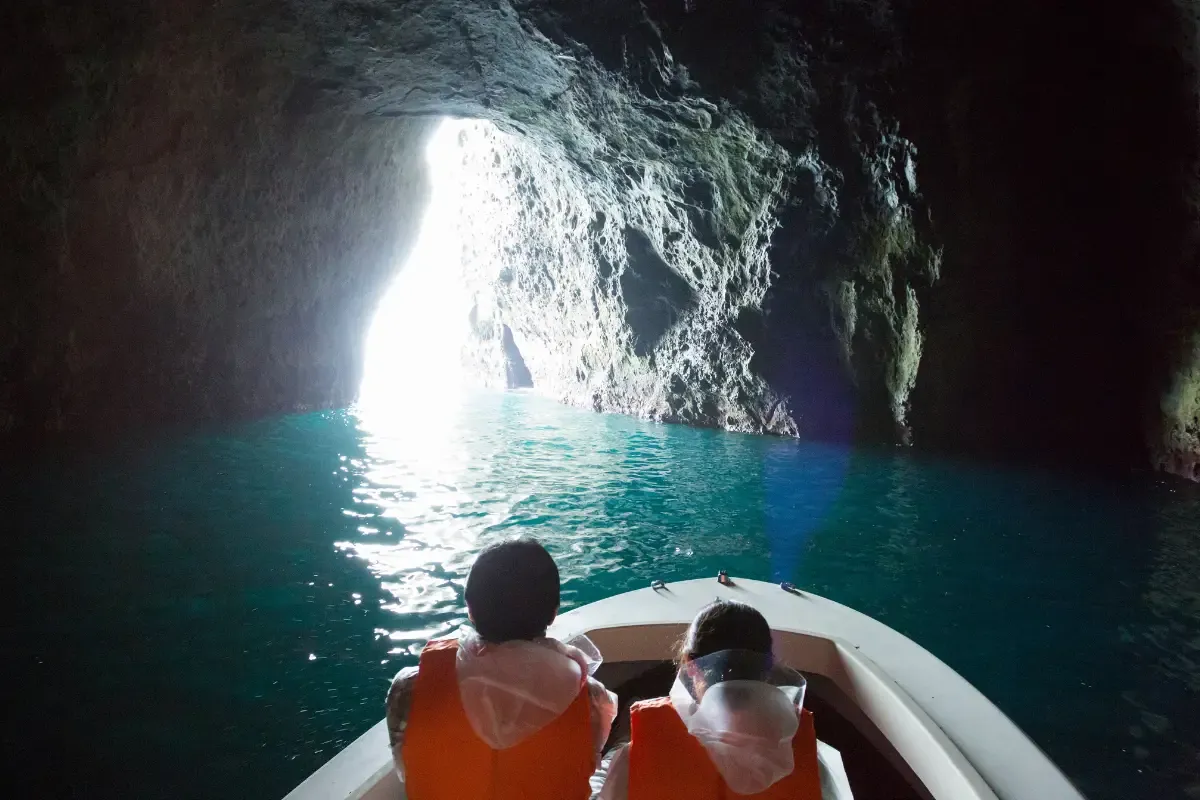
In summer, you can head to Beaches Around Otaru or the Blue Cave.
In autumn, you can include fruit picking.
On a day when you include a hot spring, use the Asarigawa Onsen article to plan it.
What to change by season and weather
In winter, leave extra room in your travel time, considering snow and road conditions.
If you are driving, also look at rental cars and winter roads first.
The differences between seasons are covered in Otaru in Winter, Otaru in Spring, Otaru in Summer and Otaru in Autumn.
For clothing, see weather and what to wear.
If it rains, switch to Otaru on a Rainy Day to build a route centered on indoor places.
FAQ
Should I stay in Otaru or Sapporo?
If you will spend most of your time in Sapporo, you can stay in Sapporo and make Otaru a day trip.
If you want to use the evening or morning in Otaru, or go beyond Otaru, include a night in Otaru.
Is a day trip enough for Otaru?
If you focus on JR Otaru Station, the Former JNR Temiya Line Site, the canal and Sakaimachi Street, you can plan it as a day trip.
If you also add places such as Shukutsu, Yoichi or Shakotan, it is easier to organize the schedule by splitting it over two or three days.
Can I get around without a car?
In the center, you can get around on foot by keeping your route compact.
Outside the center, use local buses, sightseeing taxis and the like according to where you are going.
Are there bus tours from Sapporo to Otaru?
Hokkaido Chuo Bus runs scheduled sightseeing bus tours.
In 2026, the “Japan Heritage Town Otaru and Shiroi Koibito Park Course (course with meal)” is offered.
Please check the operating days on the official page.
More to Explore
-

Otaru Geihinkan
An ocean view from every room. Six rooms in five types, three of them with kitchens
-
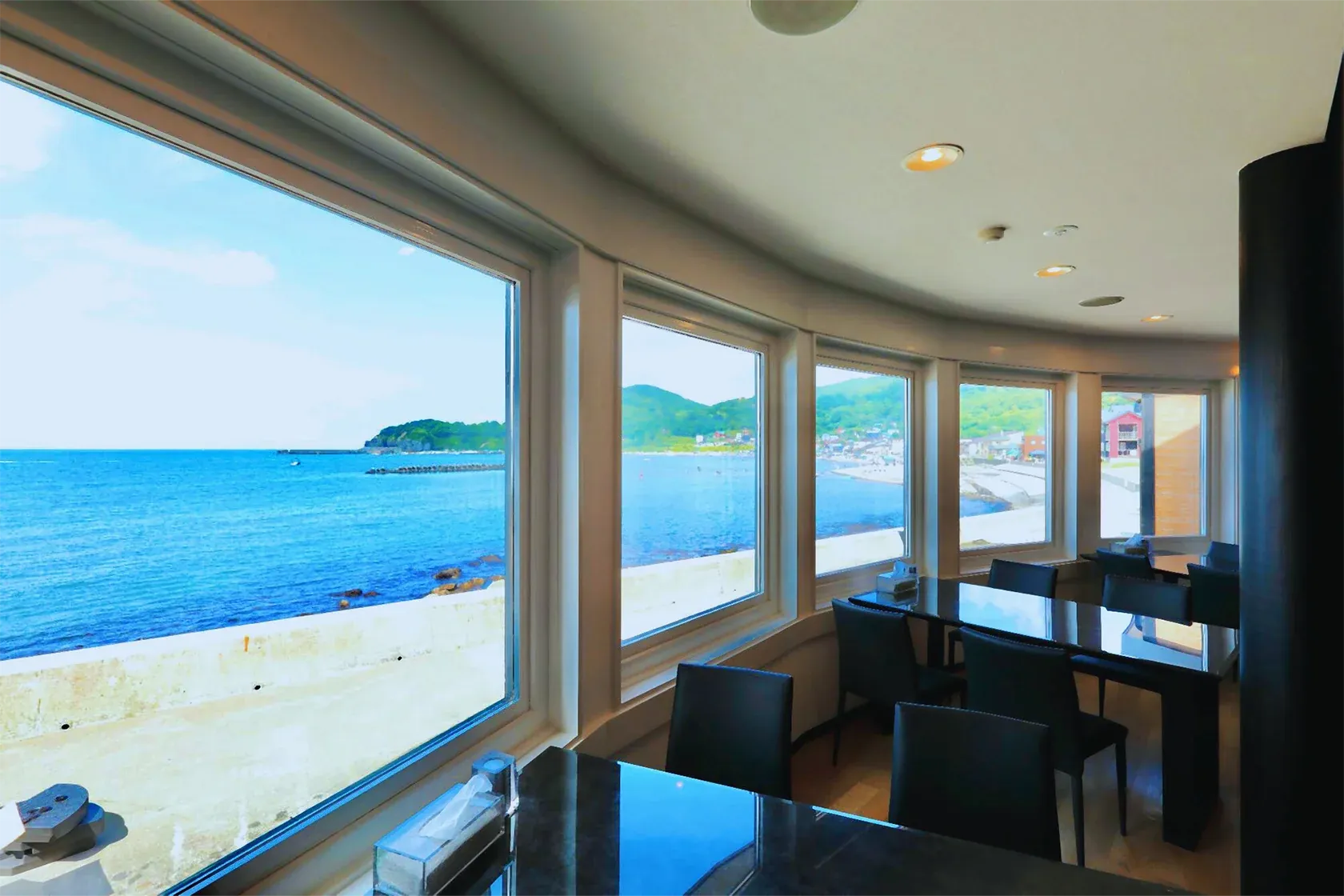
Restaurant ao
Otaru French (French cuisine made with ingredients from Otaru and Hokkaido) courses in an ocean-view restaurant overlooking the majestic Sea of Japan
-
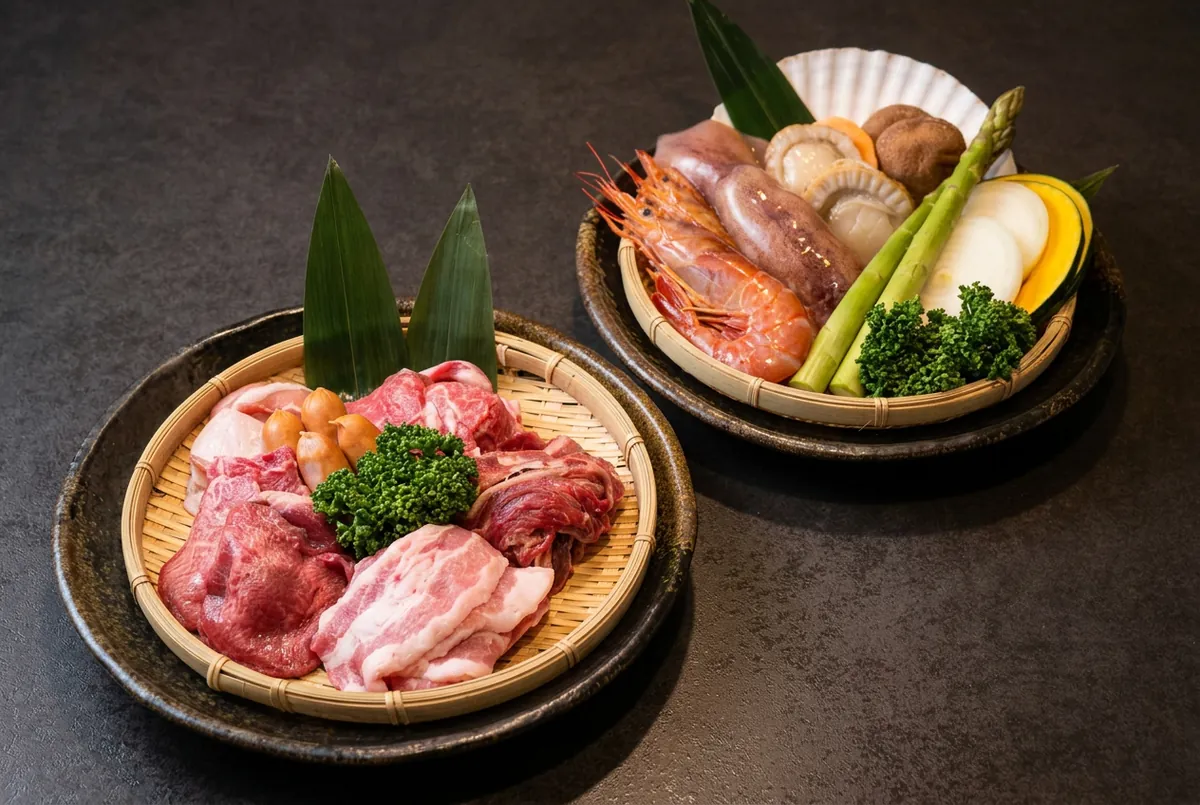
BBQ
Late April to early October: hands-free BBQ right by the sea. Bringing your own food and drinks is free of charge
-
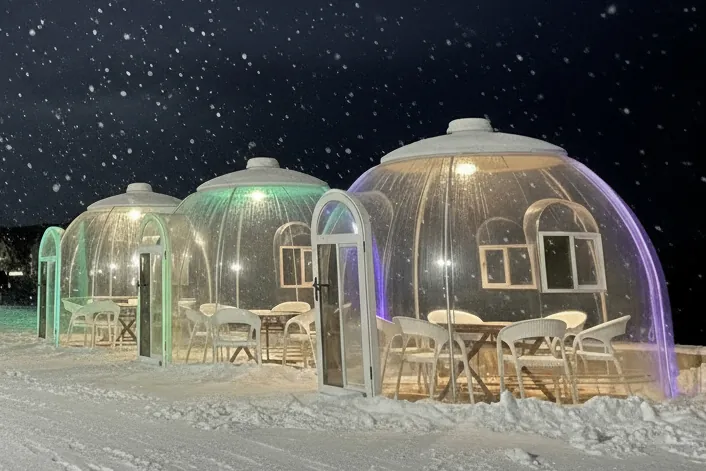
Dining Dome ao
In autumn and winter, enjoy hot pot inside a transparent dome. Open to day visitors as well as hotel guests
-
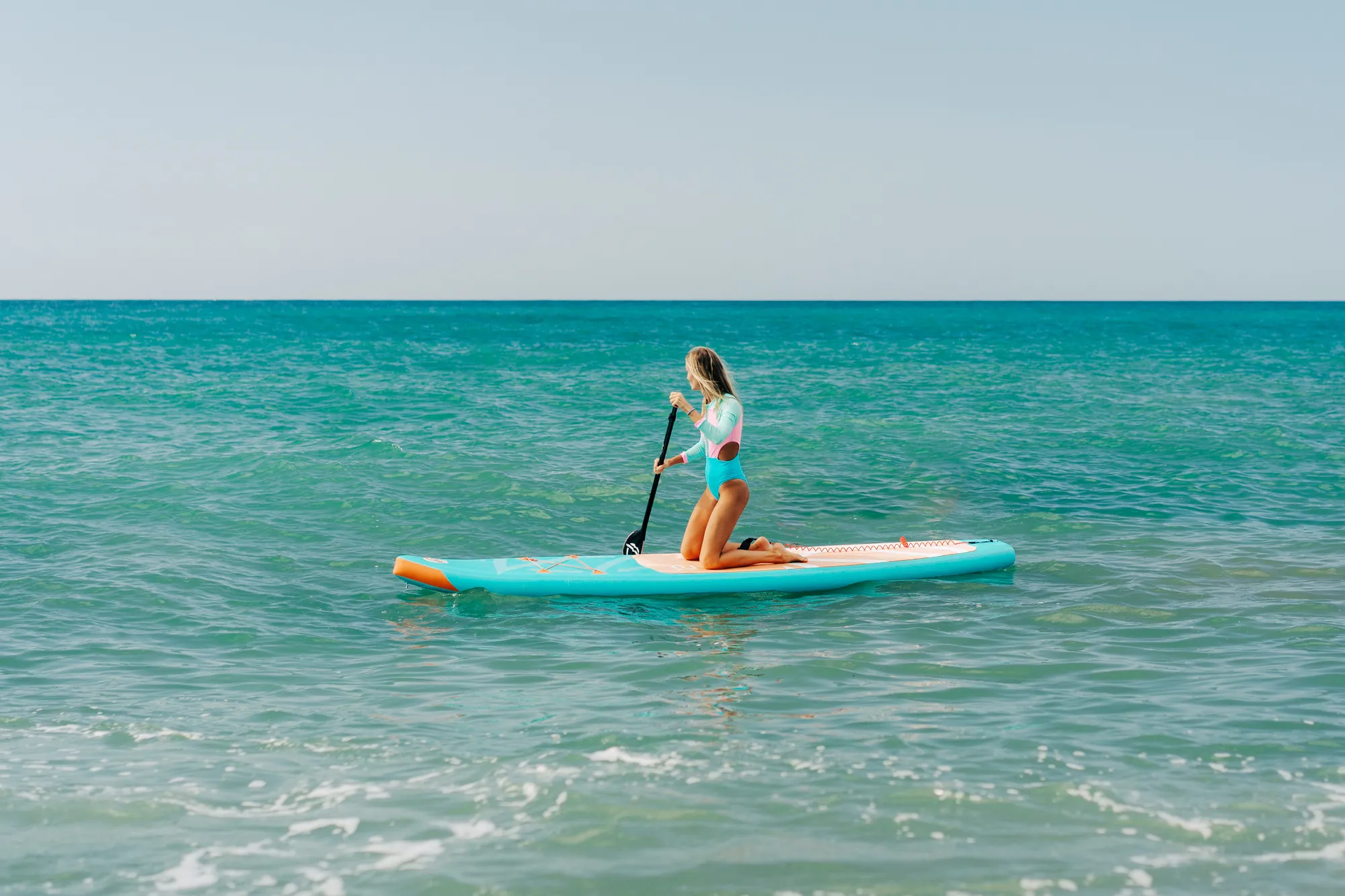
SUP & Snorkeling
-

Glassblowing Experience
-
Blue Cave Cruise