- Otaru Travel Guide
- Strolling Otaru by Rickshaw or in a Kimono
Strolling Otaru by Rickshaw or in a Kimono
In Otaru, you can either get around by rickshaw with a guide, or rent a kimono and walk around town on your own.
Rickshaw or Kimono: Which Should You Choose for a Stroll?
Both are ways to enjoy Otaru’s streetscape, but the experiences are different.
| Feature | Rickshaw | Kimono rental |
|---|---|---|
| Experiences | Ride while your rickshaw puller shows you around | Change into a kimono and walk around on your own |
| Main starting point | Asakusa Bridge | Tsujichu is in Sakaimachi; Kyoto Kimono-kan is in Otaru-Chikko |
| Reservations | Reservation not required; sign up on the day | Check with each shop. Tsujichu accepts reservations by email or phone |
| Hours | From 12 minutes. Fares vary by length | Tsujichu: 1–3 hours, for example |
With a rickshaw, the ride itself is the experience. With a kimono, you decide where to walk and for how long after you change. To decide which suits you, think about how much you want to walk and how much time you have.
Otaru Rickshaw | Ebisuya Otaru Branch
Ebisuya Otaru Branch is at 2-8-7 Ironai, Otaru. It opens at 9:30, and the last sign-up time varies by season. It is open every day of the year.
For same-day rides, the official site gives Asakusa Bridge as the main pickup point. Asakusa Bridge is a 15-minute walk from JR Otaru Station.
Rickshaw Fares
Official ride fares depend on the length of the ride and the number of people in one rickshaw.
| Hours | 2 riders per rickshaw | 1 rider per rickshaw |
|---|---|---|
| 12 min | 5,000 yen | 4,000 yen |
| 30 min | 10,000 yen | 9,000 yen |
| 45 min | 15,000 yen | 13,000 yen |
| 60 min | 20,000 yen | 16,000 yen |
| Each additional 10 min after 60 min | +3,000 yen | +2,500 yen |
All fares are official prices including tax (checked October 26, 2026). Fares may change, so please check the Ebisuya Otaru Branch official page before you ride.
You Can Sign Up on the Day Without a Reservation
A reservation is not required for a rickshaw. You can sign up on the day at the Asakusa Bridge stand, and if a rickshaw is available you can ride right away.
If none is available, staff will give an estimate of the wait. The official site also says you can talk over the route and drop-off point with your rickshaw puller.
You can choose: book ahead if you want to fix a time, or sign up on the day if you would rather decide as your plans unfold.
Choosing a Course
The Otaru Branch’s official page lists seven plans. They are divided by length, such as a 30-minute loop around the North Canal, a 45-minute course including the Former JNR Temiya Line Site, and a 60-minute course around the former Nippon Yusen building and the former Bank of Japan.
Details on the Temiya Line Site are in the Former JNR Temiya Line Site article, and on the Otaru Canal in the Otaru Canal article. If you want to walk among historic buildings, you can also combine it with Otaru Art Base.
Renting a Kimono to Walk Around Otaru
Kimono can be rented at Tsujichu in Sakaimachi and at Kyoto Kimono-kan in Otaru-Chikko.
Tsujichu | Walking from Sakaimachi
Tsujichu is at 1-17 Sakaimachi, Otaru. Hours are 10:00–18:00, with irregular closing days. It is a 15-minute walk from JR Otaru Station, and a paid parking lot is available.
Kimono are available for women, men, and children, and yukata too in summer. Rental reservations are accepted by email or phone.
Rentals are accepted until 16:00, and kimono must be returned by 18:00.
| Tsujichu Kimono and Yukata | Rates |
|---|---|
| 1 hour | 5,000 yen per person |
| 2 hours | 6,000 yen per person |
| 3 hours | 7,000 yen per person |
Kimono and yukata sets include footwear, a bag, and hair styling with hair accessories. A furisode (long-sleeved formal kimono) costs from 18,000 yen per person for 1 hour.
Because Tsujichu is on Sakaimachi Street, it is well placed for plans to walk toward Kitaichi Glass and the Otaru Music Box Museum.
Kyoto Kimono-kan | Starting from Otaru-Chikko
Kyoto Kimono-kan is at 11-1 Chikko, Otaru, on the 2nd floor of Wing Bay Otaru Seebu. Hours are 10:00–18:00, with irregular closing days. Outside those hours, you can ask about arrangements.
It is a 3-minute walk from Otaru-Chikko Station, and a free parking lot is available. The Otaru Tourism Association’s official page also lists town strolls in a kimono with dressing, tours accompanied by a professional photographer, and group services.
Services are offered for groups of 10 or more, and groups of up to 120 people can reportedly be accommodated. Foreign-language support, such as English and Chinese, is also listed.
Combining a Rickshaw and a Kimono
You can also plan to take a rickshaw ride after renting a kimono.
Rickshaws and kimono are services from separate operators. Check the kimono rental and return times and the rickshaw sign-up hours separately.
If you plan to walk along Sakaimachi Street from Tsujichu and see Kitaichi Glass and the Otaru Music Box Museum, you will need to plan backward from your kimono return time.
If you ride a rickshaw first, you can also go from Asakusa Bridge around the Otaru Canal and the Ironai area, and then move on to Sakaimachi.
Where to Stroll
When deciding where to walk by rickshaw or in a kimono, it is easier to plan if you do not spread the day across too many areas.
Around the Otaru Canal, you can link the canal and Otaru Art Base. On the Sakaimachi side, there are Sakaimachi Street, Kitaichi Glass, and the Otaru Music Box Museum.
If you walk along the Temiya Line Site, see the Former JNR Temiya Line Site. For a break along the way, see Cafes and Sweets in Otaru.
FAQ
How much does a rickshaw ride in Otaru cost?
Ebisuya Otaru Branch’s official fares for 12 minutes are 5,000 yen for 2 riders in one rickshaw and 4,000 yen for 1 rider. Fares for 30 minutes and longer are also set by length of ride. Please check the official site for the latest fares before you ride.
Can I ride without a reservation?
Yes. According to the official site, a reservation is not required, and you can sign up on the day at Asakusa Bridge. If none is available, you will be told the wait time.
Can I rent a kimono in Otaru?
Yes: Tsujichu in Sakaimachi and Kyoto Kimono-kan in Otaru-Chikko. Hours, reservation methods, and fares differ from shop to shop.
Can I combine a kimono rental with a rickshaw ride?
You can put them into your plans separately. They are services from separate operators, so please check each one’s reception hours and conditions of use.
More to Explore
-
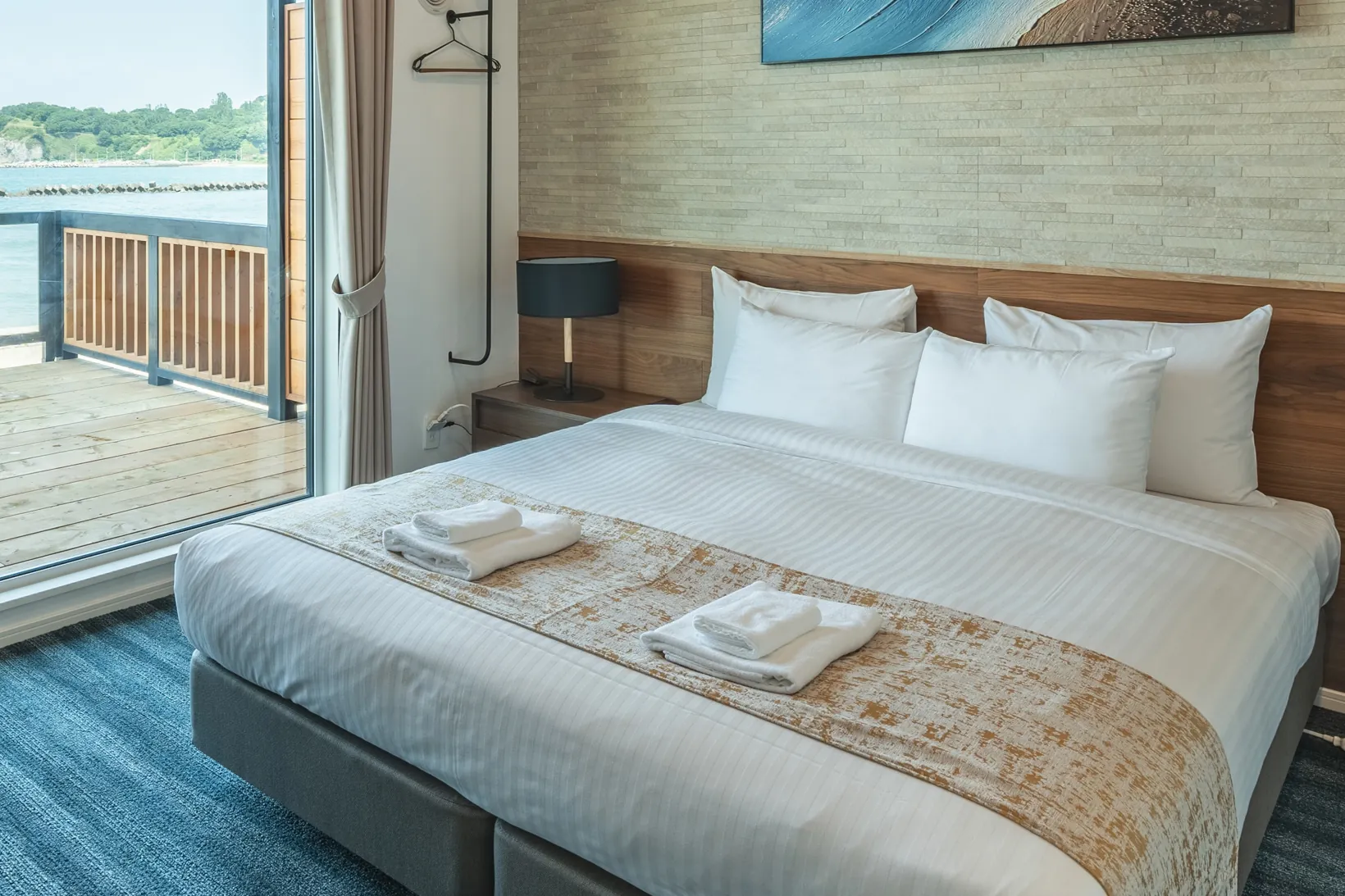
Otaru Geihinkan
An ocean view from every room. Six rooms in five types, three of them with kitchens
-
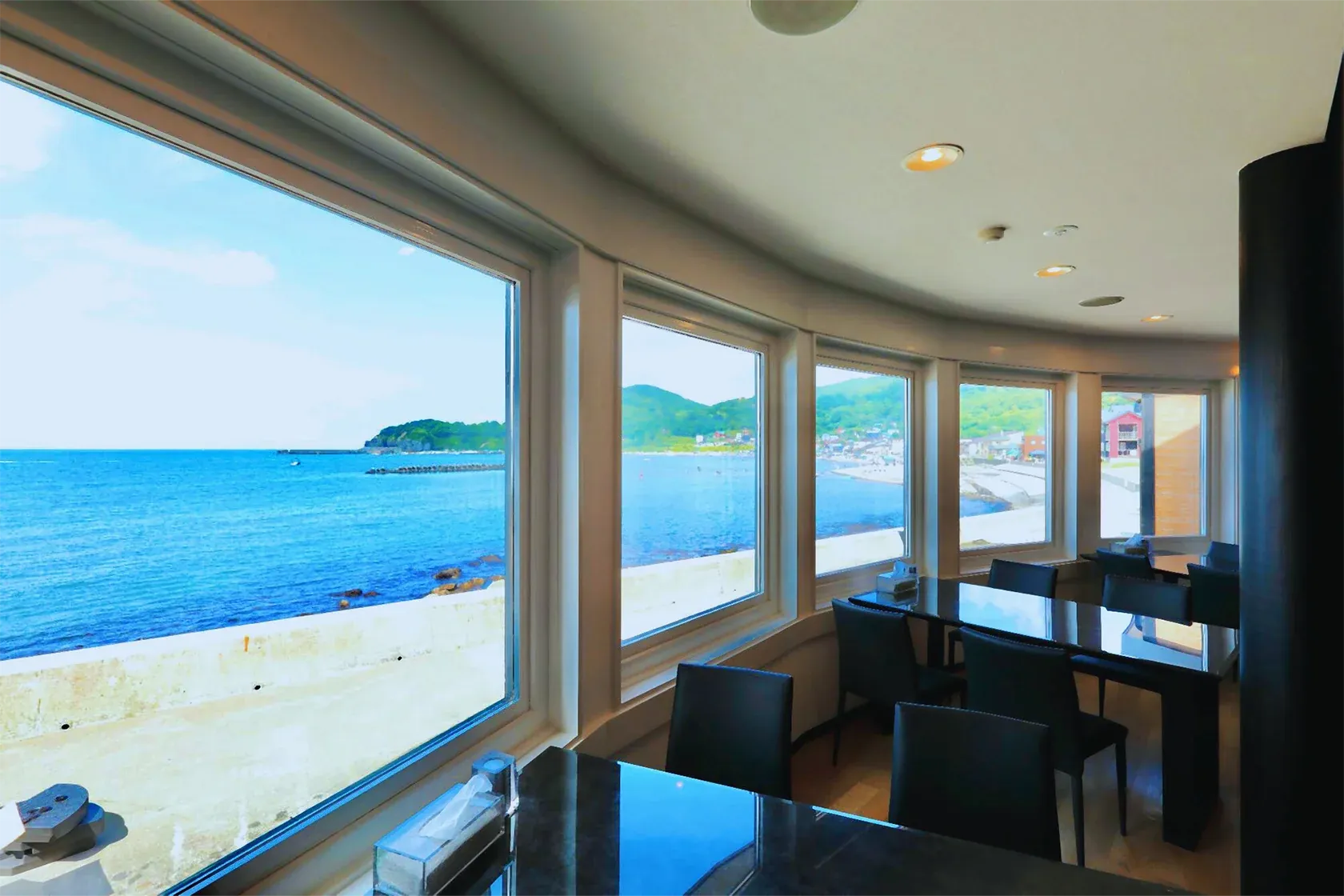
Restaurant ao
Otaru French (French cuisine made with ingredients from Otaru and Hokkaido) courses in an ocean-view restaurant overlooking the majestic Sea of Japan
-
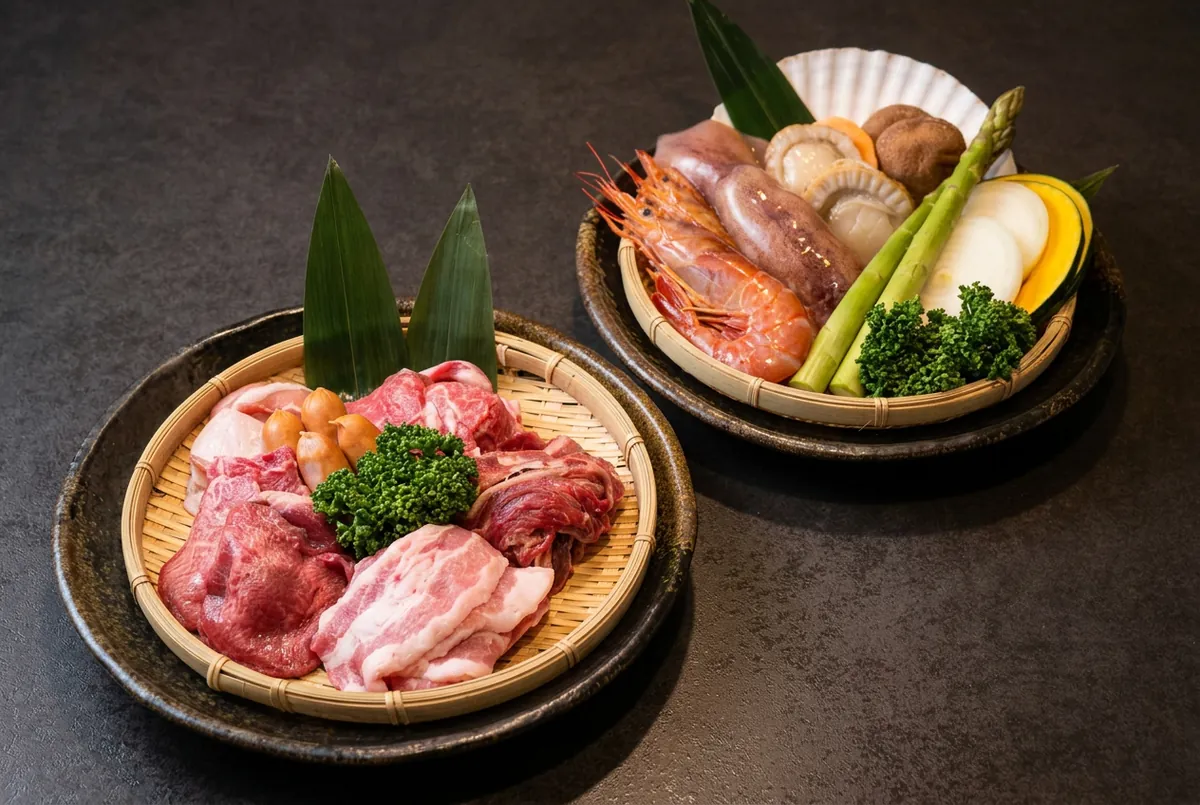
BBQ
Late April to early October: hands-free BBQ right by the sea. Bringing your own food and drinks is free of charge
-
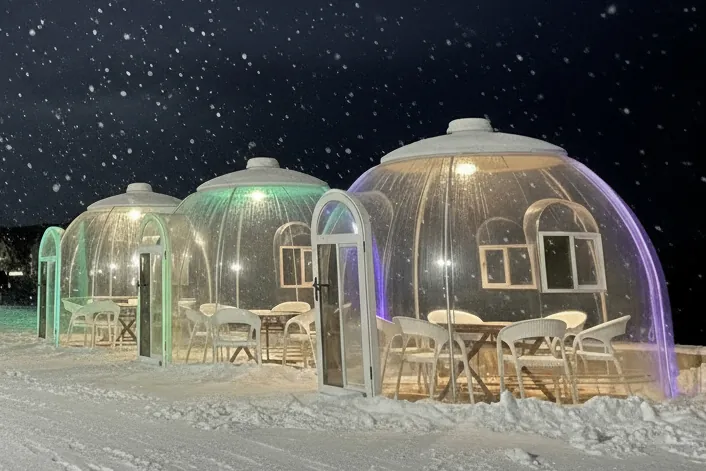
Dining Dome ao
In autumn and winter, enjoy hot pot inside a transparent dome. Open to day visitors as well as hotel guests
-
SUP & Snorkeling
-

Glassblowing Experience
-
Blue Cave Cruise