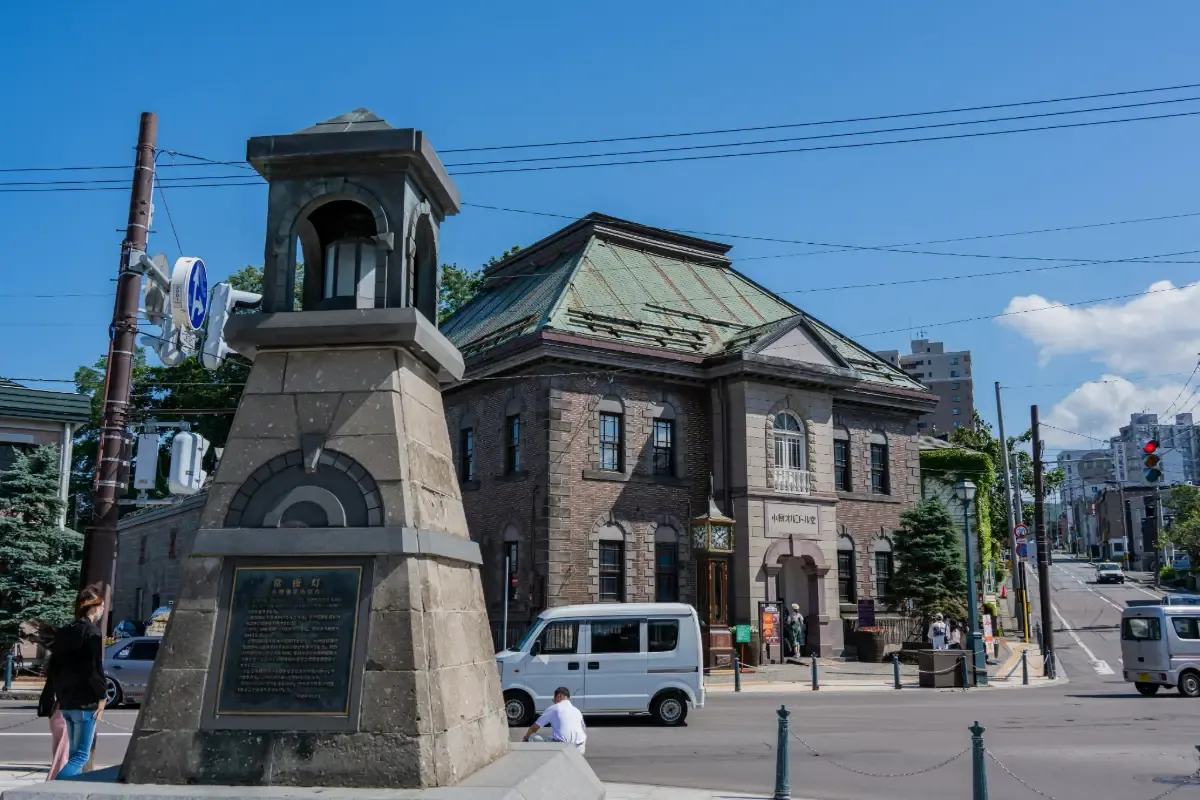
- Otaru Travel Guide
- 14 Classic Sightseeing Spots in Otaru: Our Recommendations
14 Classic Sightseeing Spots in Otaru: Our Recommendations
Otaru was once the commercial center of the north and the heart of Hokkaido’s economy.
Otaru had 25 banks in the city and was known as the Wall Street of the North, and Hokkaido’s first railway also opened in Otaru.
Retro streetscapes from the Meiji era to the early Showa period, when the city flourished, remain in Otaru.
We have selected Otaru’s classic sightseeing spots, including the Otaru Canal, Otaru Sakaimachi Street, Mt. Tengu and scenic points such as the Otaru Blue Cave. Check out the spots that catch your eye and enjoy a stroll around Otaru.
* This article reflects information as of October 2026. Closing days, opening hours and other details may change. Please check each facility’s official website before you go.
Otaru Canal
From Otaru Geihinkan
About 10–22 minutes by car to Otaru Canal (approx. 8.8 km). Allow extra time on winter roads.
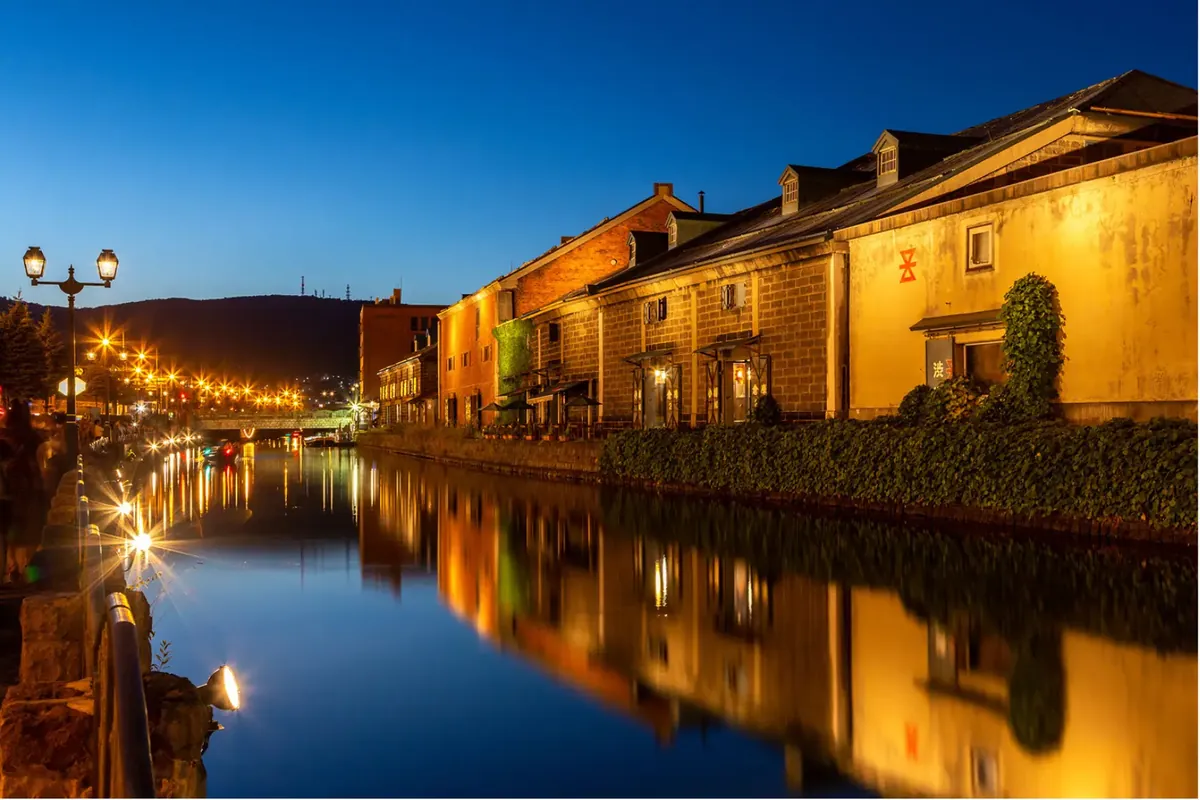
The Otaru Canal is a landmark of Otaru. It is 1,140 m long and was built in 1923 to load and unload cargo efficiently.
Along the canal stand 63 gas lamps. The atmospheric, nostalgic scenery makes it a great place for photos, and it draws many visitors.
Several stone warehouses surround it, making it a symbolic place of retro, nostalgic Otaru. It has been selected as one of Japan’s 100 outstanding urban landscapes, 100 beautiful historic landscapes and a Night View Heritage of Japan.
You can also enjoy a roughly 40-minute Otaru Canal cruise departing from Chuo Bridge on the canal.
Otaru Sakaimachi Street
From Otaru Geihinkan
About 14–28 minutes by car to Otaru Sakaimachi Shopping Street (approx. 9.9 km). Allow extra time on winter roads.
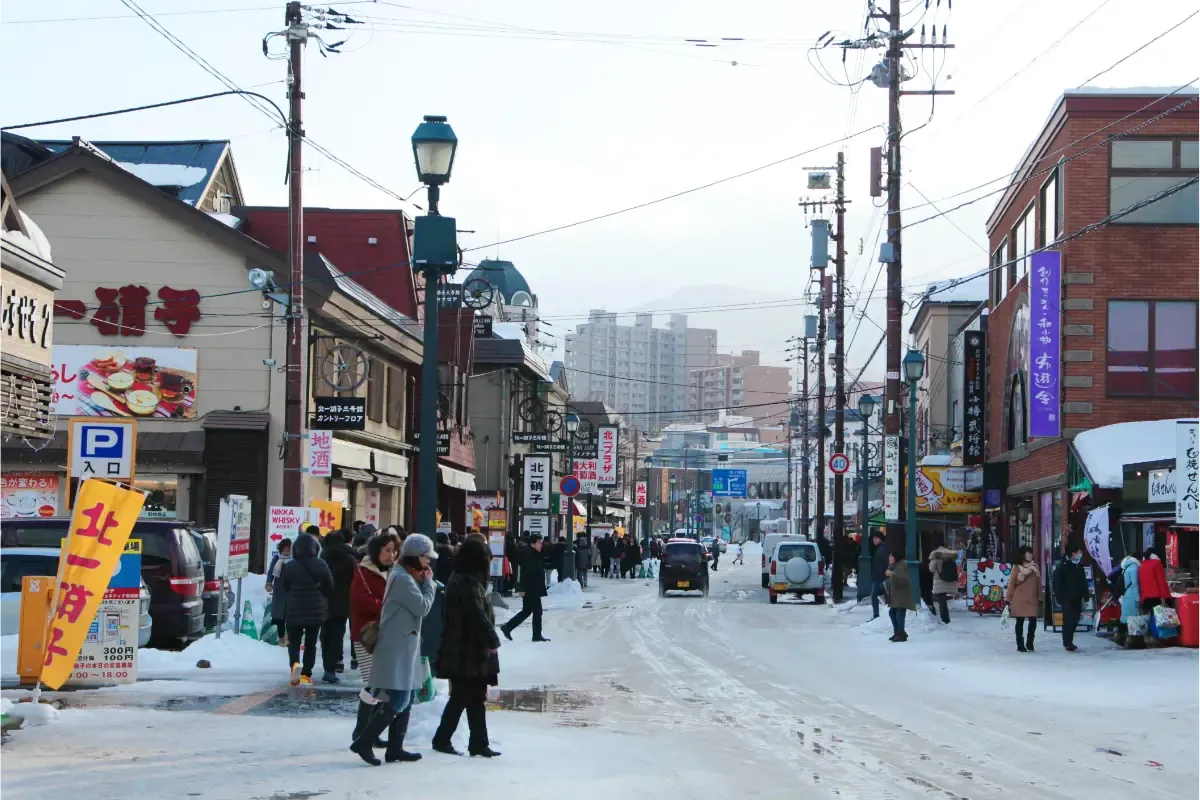
Otaru Sakaimachi Street is the main street of Otaru, lined with the town’s best-known shops such as Kitaichi Glass, Otaru Music Box Museum, LeTAO, Kamaei and the Snoopy Tea House. The street is about 900 m long and is always busy with visitors looking for souvenirs and snacking as they walk.
The street runs 900 m from north to south, and Minami-Otaru Station is a little closer.
- 13-minute walk from JR Otaru Station
- 6-minute walk from JR Minami-Otaru Station
There is no free parking on Otaru Sakaimachi Street.
There are many paid parking lots nearby, but they are often full during the tourist season and on weekends.
Note that many parking lots in Otaru are expensive, such as 500 yen per 30 minutes with no maximum charge.
Kitaichi Glass Sangokan (No. 3 Village)
Kitaichi Glass is a long-established Otaru glass maker, founded in 1901.
It originally made kerosene lamps, an everyday necessity, and floats for herring fishing. Kitaichi Glass Sangokan (No. 3 Village) is a historic building designated by Otaru City. It displays and sells a wide range of glass products, also sells local sake and wine, and operates as a cafe and restaurant.
Otaru Music Box Museum (Main Building)
Otaru Music Box Museum (Main Building) is housed in a historic building built in 1915. It is one of the largest music box shops in Japan, with about 38,000 music boxes in about 3,200 varieties. You can also make your own music box at the museum’s workshop, Otaru Orgel Doh Music Box & Handicrafts Studio You-kobo. (Advance reservation required)
Kitaichi Venetian Art Museum
The exterior is modeled on the Palazzo Grassi in Venice.
The museum displays 3,000 traditional Italian furnishings and furniture pieces, introducing the lives and culture of the nobility.
You can also try the noble experience, dressing in Italian-themed costumes for a commemorative photo.
When it is crowded you may have to wait, so we recommend reserving in advance.
Mt. Tengu
From Otaru Geihinkan
About 14 minutes by car to Otaru Tenguyama Ropeway/Ski Resort (approx. 8.4 km). Allow extra time on winter roads.
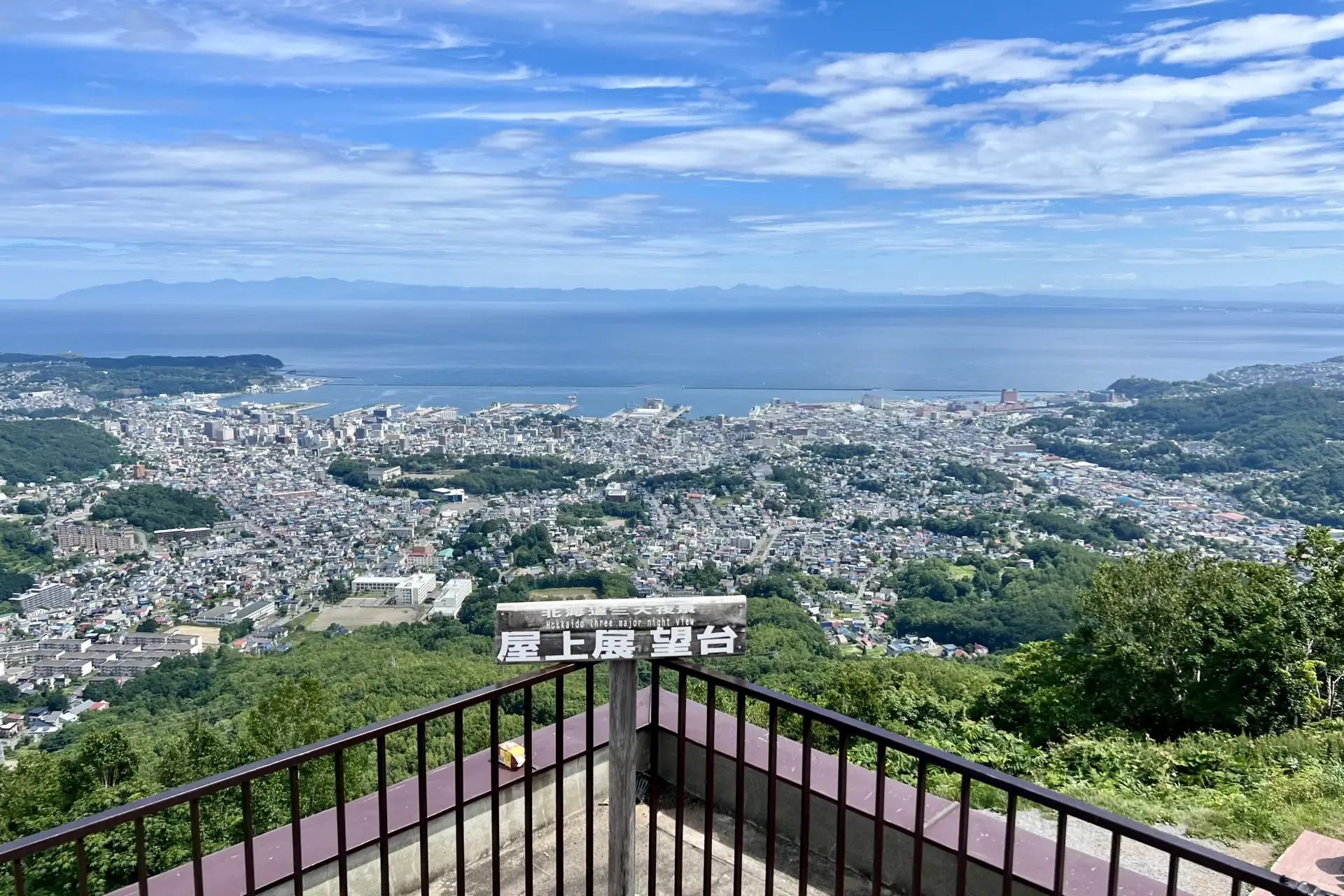
Mt. Tengu is a mountain in Otaru, 532 m above sea level.
From the observation deck you can enjoy a wide panorama that includes Otaru city, Ishikari Bay, the Shakotan Peninsula and the Yubari Mountains.
The summit observation deck has received one star in the Michelin Green Guide Japon. Its night view is considered one of the three great night views of Hokkaido. With luck, you may also see a magical sea of clouds, which has drawn attention.
There are 5 observation decks at the summit (3 in winter).
The summit of Mt. Tengu is more than an observation deck. There are many things to enjoy, including a chipmunk park, Tengu Square with an adventure play area, swings and other play equipment, and the Tenguyama Slider, about 400 m long.
Blue Cave
From Otaru Geihinkan
About a 7-minute walk (about 550 m) to Otaru / Blue Cave Sightseeing Cruise SaltValley408.
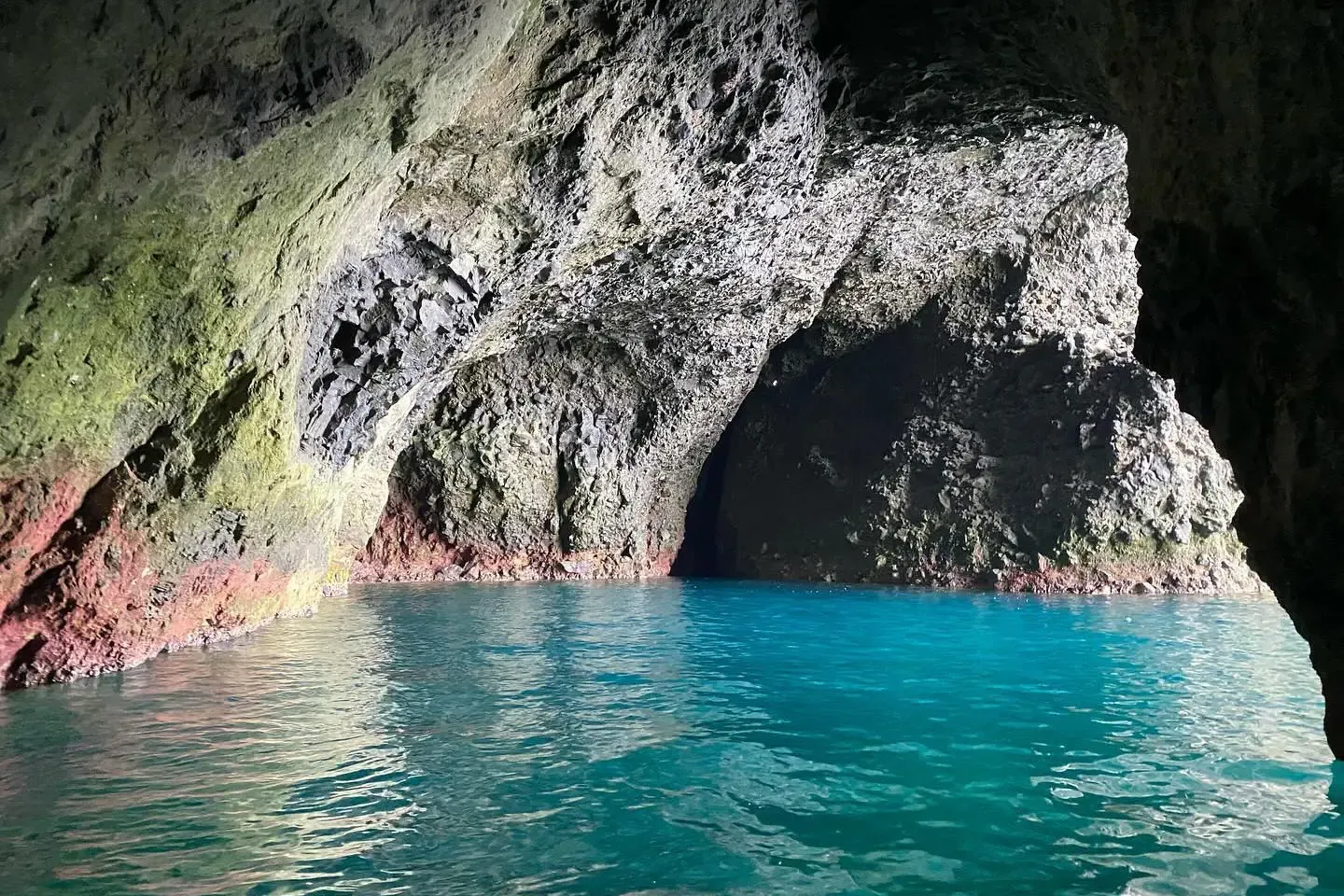
Otaru has a mysterious “Blue Cave” that can only be reached by sea.
It is a scenic spot where the sunlight makes the cave glow a deep, magical blue.
It is a popular spot that stands alongside Otaru Canal, Otaru Sakaimachi Street and Mt. Tengu.
You can visit Otaru’s Blue Cave only from April to October.
July and August, the summer holiday season, are especially crowded.
In 2026, boats do not enter the cave and instead cruise around the outside of it.
Otaru Art Base
From Otaru Geihinkan
About 12–24 minutes by car to Otaru Art Base (approx. 9.0 km). Allow extra time on winter roads.
Otaru Art Base is a complex of five museums: the Former Mitsui Bank Otaru Branch, the Stained Glass Museum, the Nitori Museum of Art, the Western Art Museum (opened April 28, 2022) and the Ukiyo-e Museum (opened July 24, 2025).
It houses and displays modern and contemporary Japanese paintings, Western-style paintings, sculpture, glass crafts, stained glass and furniture.
Wall Street of the North
From Otaru Geihinkan
About 12–26 minutes by car to the Former Bank of Japan Otaru Branch (about 9.1 km). Allow more time on winter roads.
Around the Ironai district, where Nichigin Street and Ironai Street cross, there were as many as 25 financial institutions at its peak, making it a financial hub.
Compared with 16 in Hakodate and 10 in Sapporo, this shows how prosperous Otaru was even within Hokkaido.
The Former Bank of Japan Otaru Branch, the Former Hokkaido Bank Head Office and others are lit up at night and attract attention as retro bank buildings.
The Bank of Japan Otaru Museum

Completed in July 1912, it is a historic building more than 110 years old.
The building of The Bank of Japan Otaru Museum was designed by Tatsuno Kingo, also known as the father of modern architecture.
Tatsuno Kingo is the architect who also designed Tokyo Station and the Main Building of the Bank of Japan Head Office.
The construction cost was 400,000 yen at the time, the third highest after the Bank of Japan Head Office and the Bank of Japan Osaka Branch, which shows how important the building was.
Former Hokkaido Bank Head Office
The Former Hokkaido Bank Head Office is designated an Otaru Historic Building.
It was designed by Nagano Uheiji, a pupil of Tatsuno Kingo, who designed the Former Bank of Japan Otaru Branch.
It is now Otaru Bine, a wine café and shop.
Otaru Sankaku Market
From Otaru Geihinkan
About 10–20 minutes by car to Otaru Sankaku Market (approx. 8.3 km). Allow extra time on winter roads.
1 minute on foot from JR Otaru Station.
Located on the left as you exit JR Otaru Station, it houses 16 shops (6 of them eateries), including places serving seafood bowls and stores selling crab, sea urchin and more.
Some shops serve meals from 7:00.
Otaru Sushi Street (Otaru Sushiya Dori)
From Otaru Geihinkan
About 12–24 minutes by car to Otaru Sushi Street (approx. 9.1 km). Allow extra time on winter roads.
Otaru grew as a fishing port and has so many sushi restaurants that it is called the “city of sushi.”
Otaru Sushi Street is an area where about 15 sushi restaurants line up, centered on the Sushi Street Famous Restaurants Association: Otaru Masazushi, Sushi & Japanese Cuisine Shikama, Otaru Yamatoya, Otaru Machi no Sushi and Nihonbashi.
You can enjoy sushi unique to Otaru, such as summer sea urchin.
Rinyu Morning Market
From Otaru Geihinkan
About 12–22 minutes by car to Rinyu Morning Market (about 9.0 km). Allow more time on winter roads.
Otaru Sankaku Market near JR Otaru Station is a market many tourists visit, while Rinyu Market is an off-the-beaten-path market that locals go to.
It is about a 25-minute walk from JR Otaru Station, so it is some distance away.
True to its name, Rinyu Morning Market opens from 4:00, but many shops are not yet open, so be aware.
It is also not a tourist-oriented market but a genuine one, so it closes at 14:00.
Inside Rinyu Morning Market are two eateries: Asaichi Shokudo, where you can have seafood bowls and other dishes, and Ichinoya.
Former JNR Temiya Line Site
From Otaru Geihinkan
About 12–24 minutes by car to the Former JNR Temiya Line Site (approx. 9.0 km). Allow extra time on winter roads.
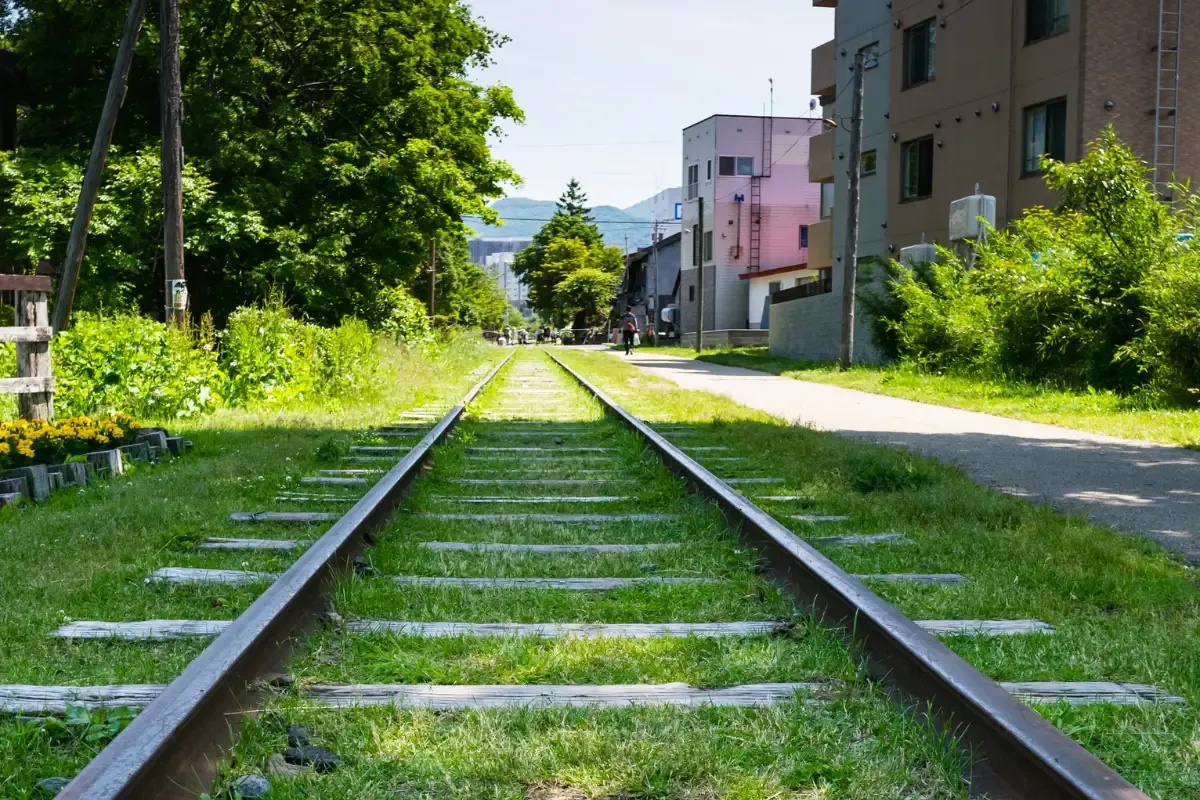
The former JNR Temiya Line began as the government-run Horonai Railway, the first railway in Hokkaido.
The Otaru Temiya–Sapporo section opened in 1880. In 1882 the whole line, about 90 km as far as Horonai, was open.
The government-run Horonai Railway was built to carry coal from Horonai to the port of Otaru.
After the line closed, the site was turned into a walking path of about 1.6 km that keeps the original tracks, level crossings and crossing gates.
With the tracks, level crossings and crossing gates still in place, it is also a popular spot for taking photos on the tracks.
Tanaka Sake Brewery Main Store
From Otaru Geihinkan
About 10–20 minutes by car to Tanaka Sake Brewery Main Store (about 8.4 km). Allow more time on winter roads.
The shop is designated an Otaru Historic Building.
Old signboards and other items are on display, and the shop has been restored to the atmosphere of the early Showa period.
Ginjo “Takaragawa,” with a reproduction of the label used in the early Showa period, is available only at the main store.
Former Aoyama Villa (Otaru Kihinkan)
From Otaru Geihinkan
About 18–24 minutes by car to Otaru Kihinkan (approx. 11.9 km). Allow extra time on winter roads.
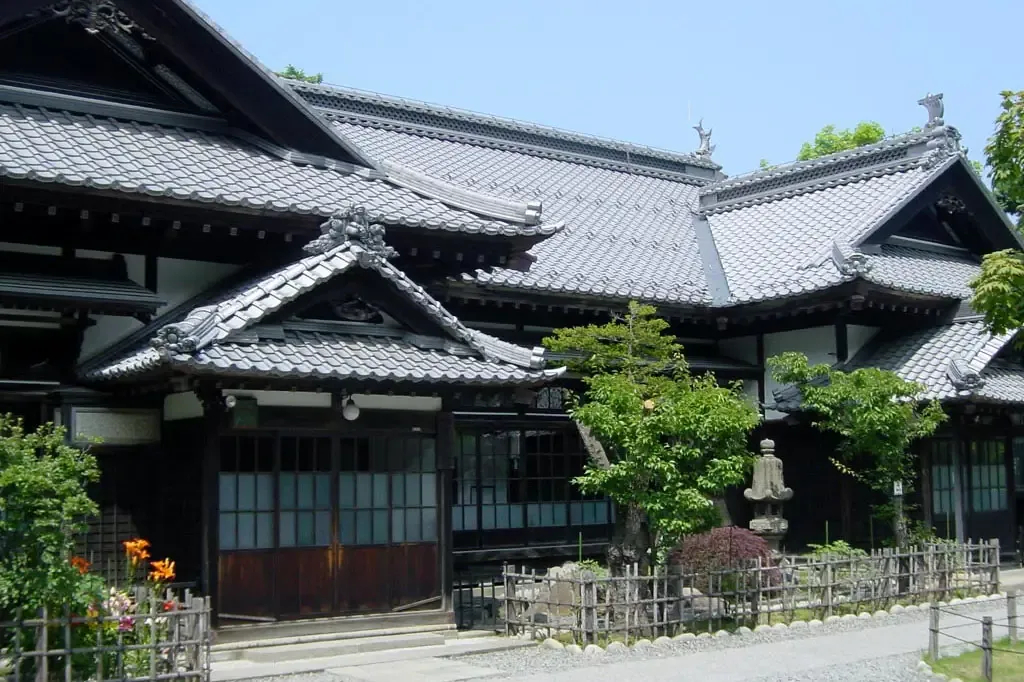
The former Aoyama Villa was used as the second residence of the Aoyama family, who built their wealth through herring fishing. It is a historic building from the Taisho era, designated a Registered Tangible Cultural Property of Japan.
The former Aoyama Villa is also known as a herring mansion and is popularly called Otaru Kihinkan.
It also appears in “Golden Kamuy”, the popular manga and anime set in Hokkaido.
Otaru Aquarium
From Otaru Geihinkan
About 18–24 minutes by car to Otaru Aquarium (approx. 12.0 km). Allow extra time on winter roads.
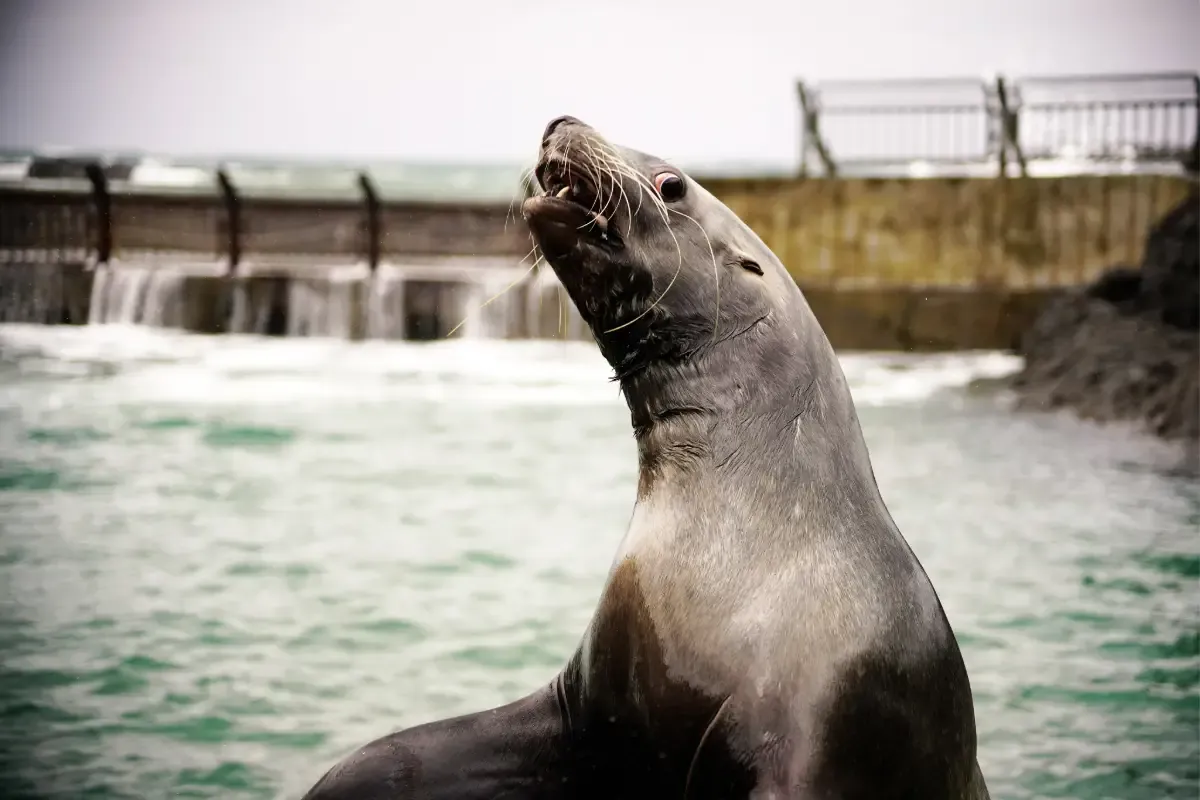
It is one of the leading aquariums in Hokkaido.
Harbor porpoises are kept only at Otaru Aquarium in Japan.
At the Marine Mammal Park, you can try feeding the seals.
At the indoor Dolphin Stadium, you can also watch South American sea lion and dolphin shows.
Cape Shakotan, Shimamui Coast and Cape Ogon
From Otaru Geihinkan
About 1 hour to 1 hour 20 minutes by car to Shimamui Coast (approx. 51.2 km). Allow extra time on winter roads.
About 40 minutes to 1 hour by car to Cape Ogon (approx. 33.8 km). Allow extra time on winter roads.
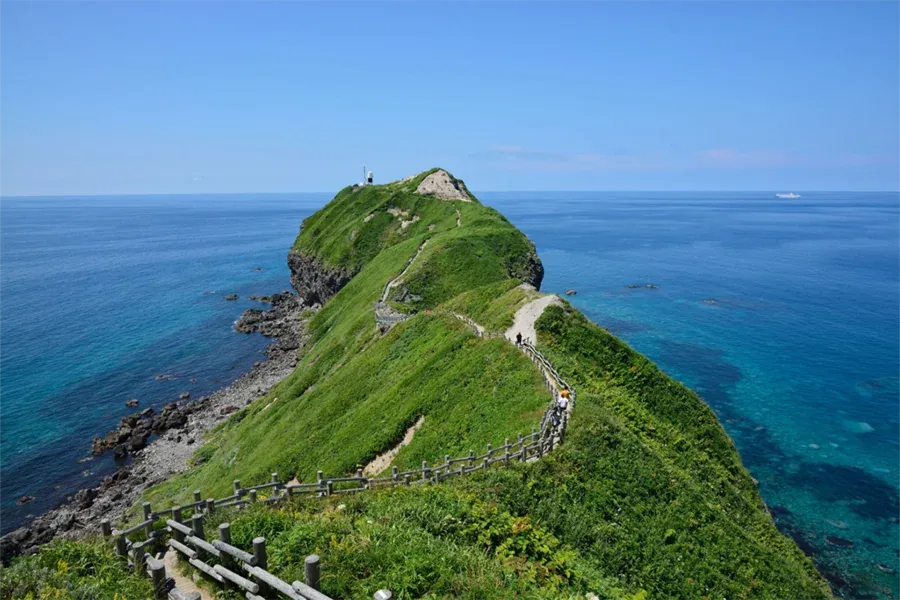
The Shakotan Peninsula is about 1 hour from JR Otaru Station by car or bus.
The view from Cape Kamui on the Shakotan Peninsula, selected as a “Hokkaido Heritage” site, is spectacular.
The scenery changes with the seasons, and the sunset over the quiet coast is breathtakingly beautiful. Walking paths are also available, so you can stroll around the area.
The path down to the shore at Shimamui Coast and the walking path from the gate at Cape Kamui to the tip are closed for construction until early April 2027.
Shimamui Coast is one of Japan’s “100 Best Beaches.”
You can look out over the spectacular sea in clear Shakotan Blue.
Cape Ogon is a cape that juts out into the sea beyond Bikuni Port.
Cape Ogon gets its name because schools of herring shine golden in the morning and evening sun.
Things to Do Here
Enjoy the Canal Scenery
Stroll the Otaru Canal promenade and look at the stone warehouses.
Walk Sakaimachi Street
Walk the historic streetscape of Otaru Sakaimachi Street.
Check the official information for opening and access status, and enjoy the areas open to visitors on site.
More to Explore
-

Glassblowing Experience
-
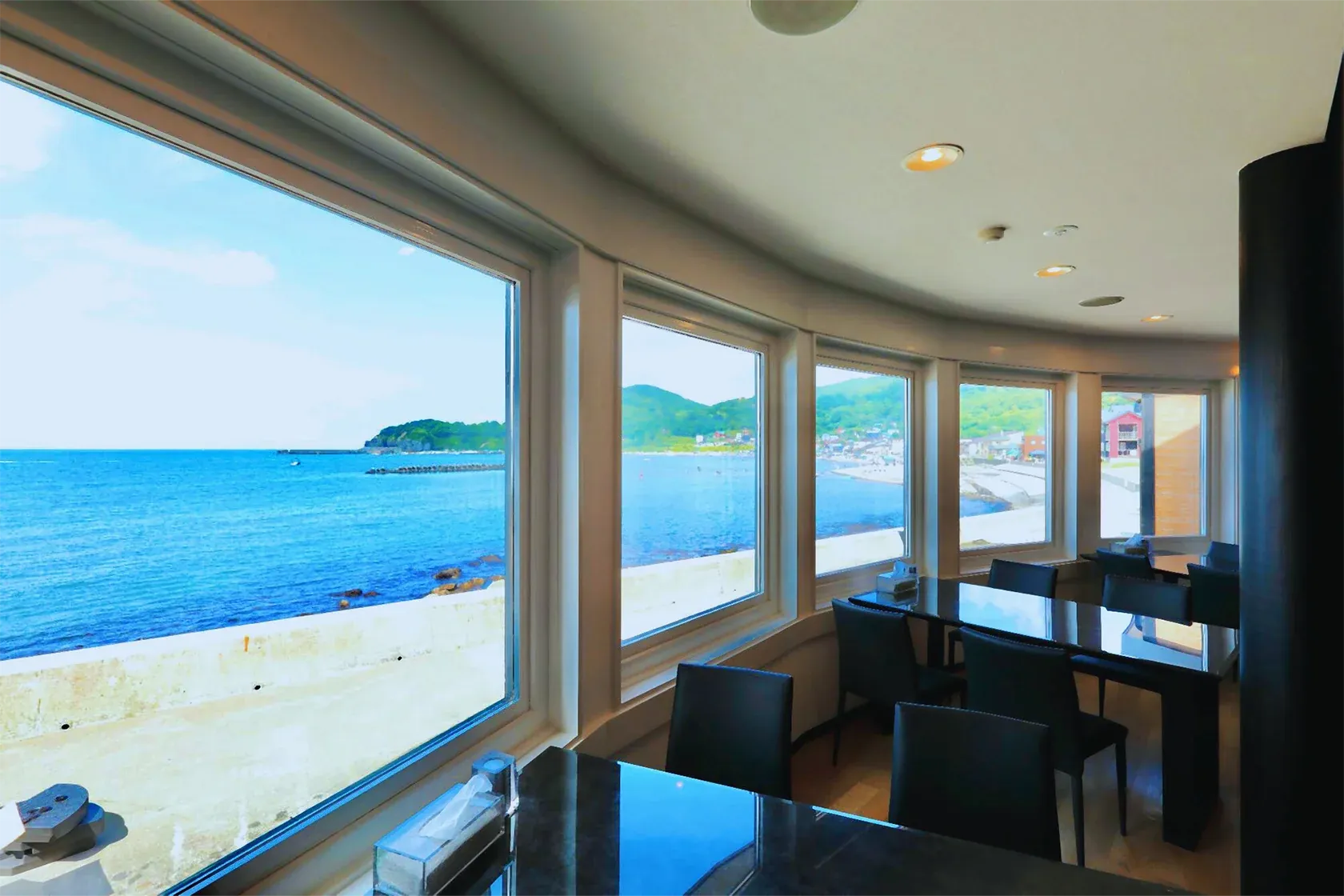
Restaurant ao
Otaru French (French cuisine made with ingredients from Otaru and Hokkaido) courses in an ocean-view restaurant overlooking the majestic Sea of Japan
-
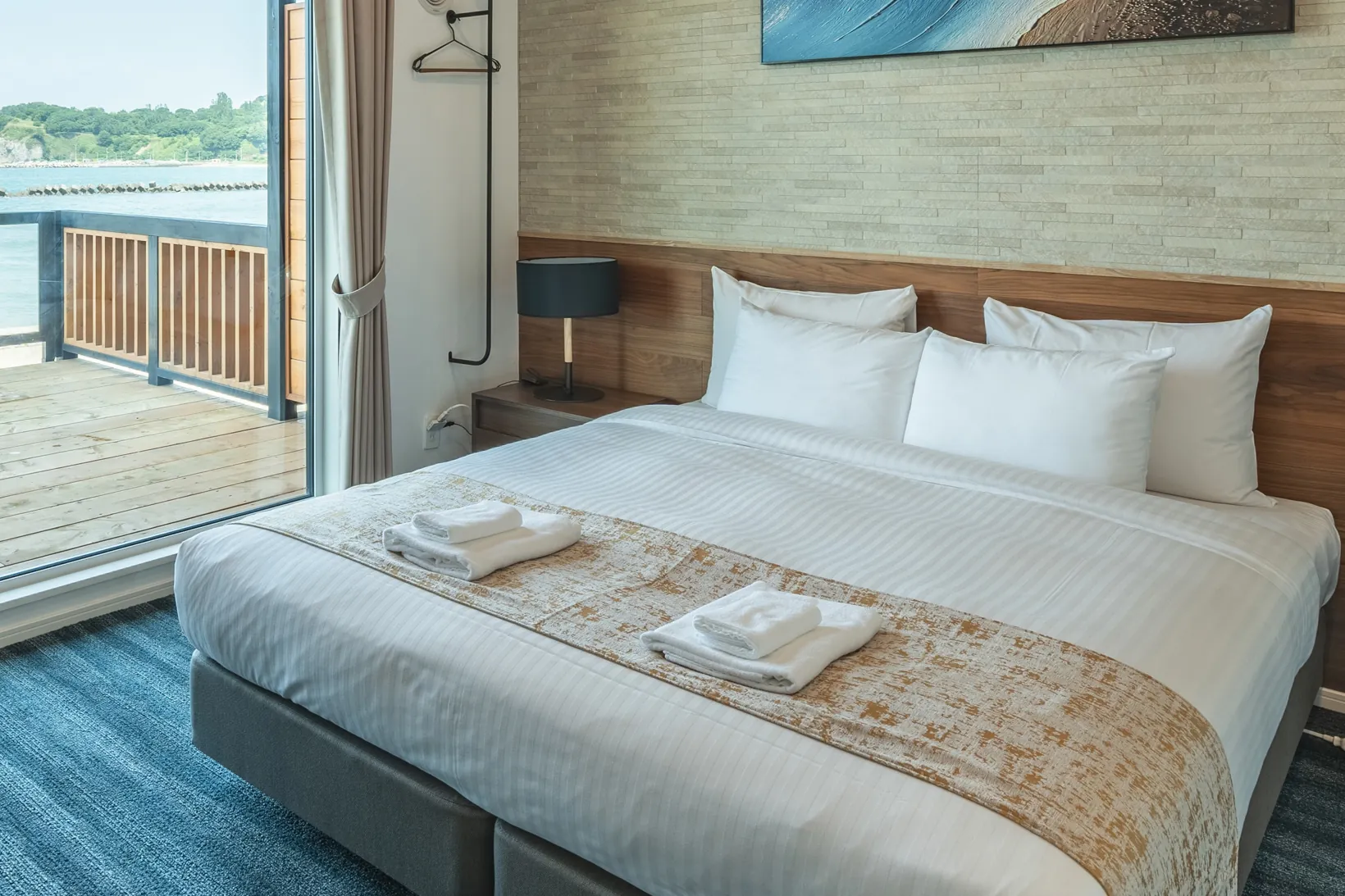
Otaru Geihinkan
An ocean view from every room. Six rooms in five types, three of them with kitchens
-
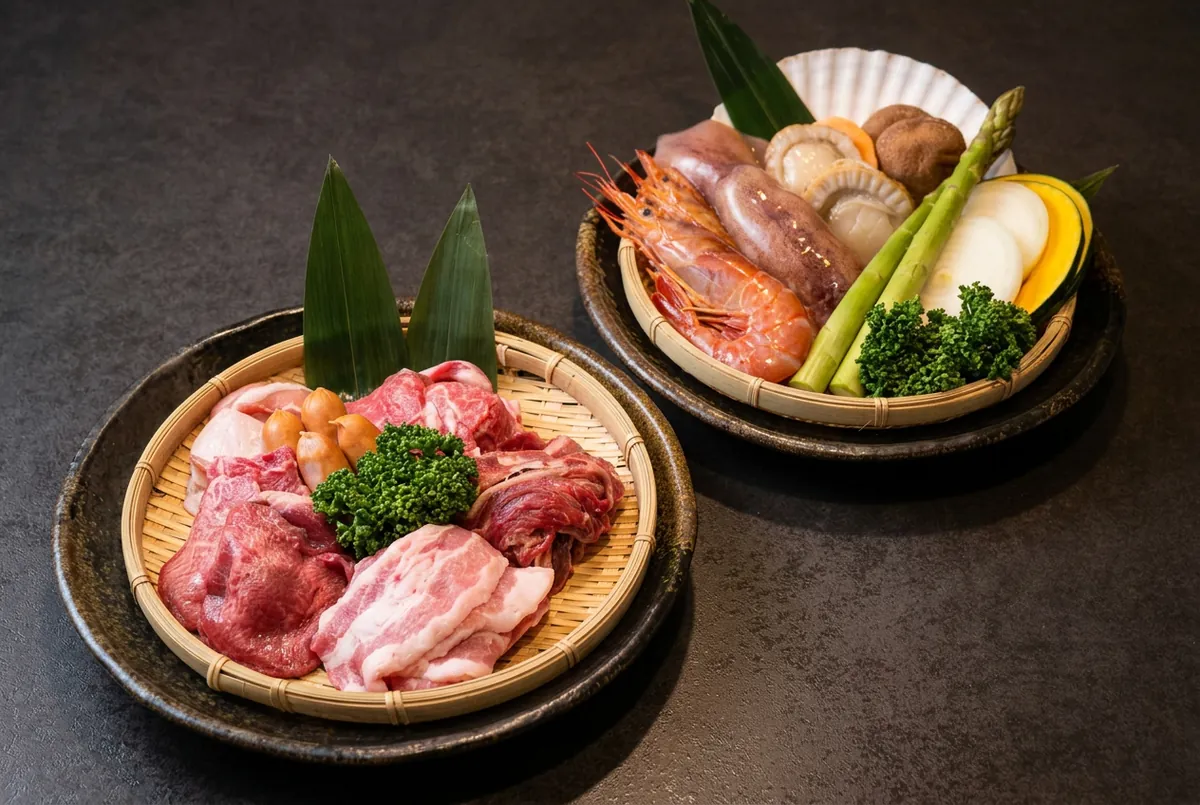
BBQ
Late April to early October: hands-free BBQ right by the sea. Bringing your own food and drinks is free of charge
-
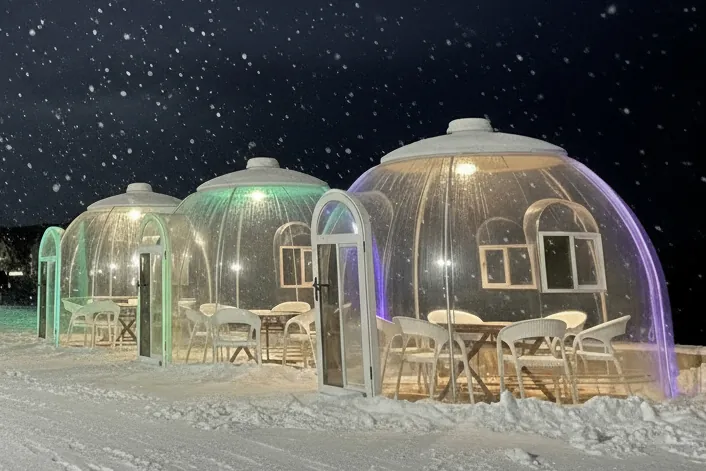
Dining Dome ao
In autumn and winter, enjoy hot pot inside a transparent dome. Open to day visitors as well as hotel guests
-
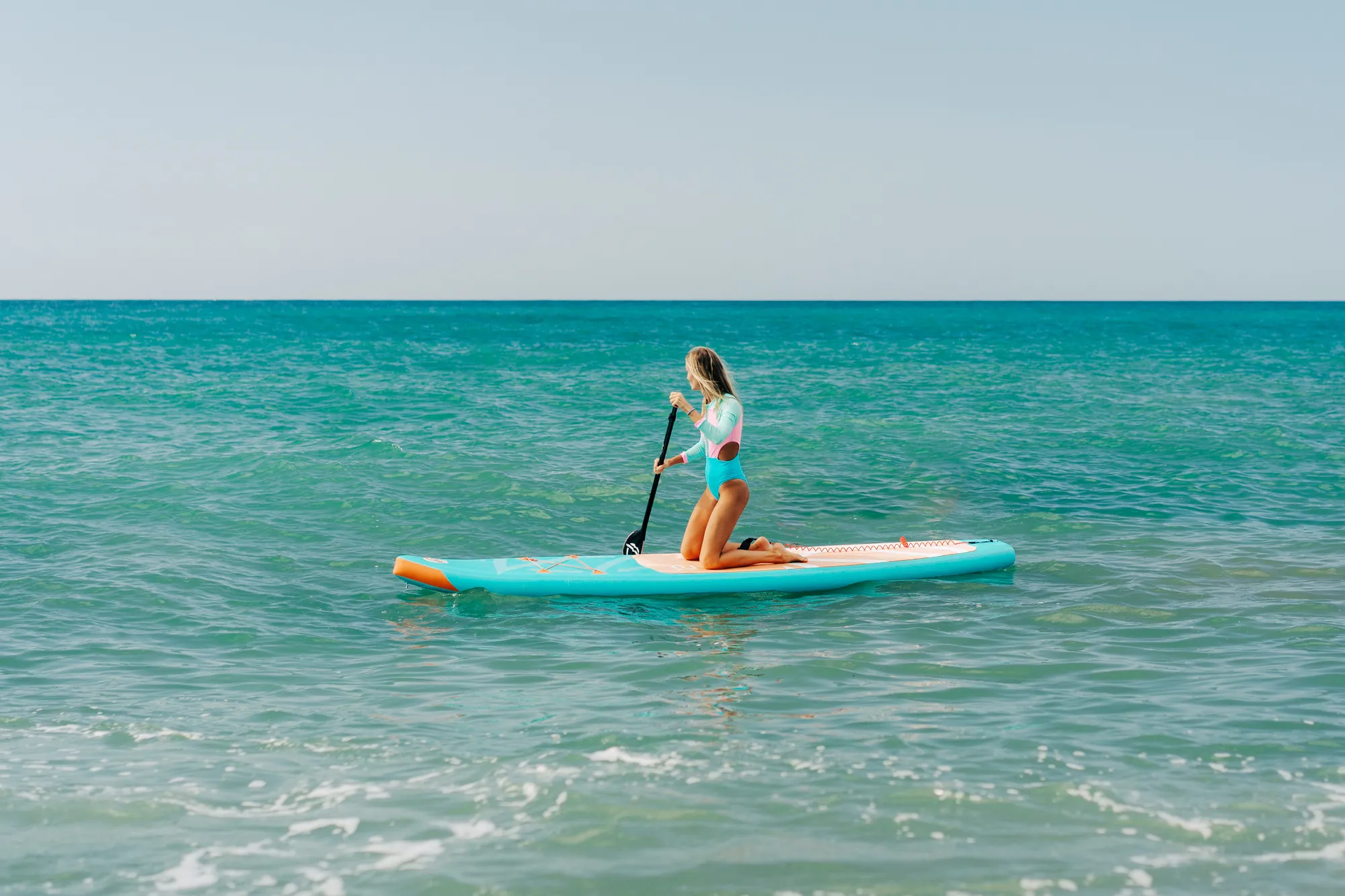
SUP & Snorkeling
-
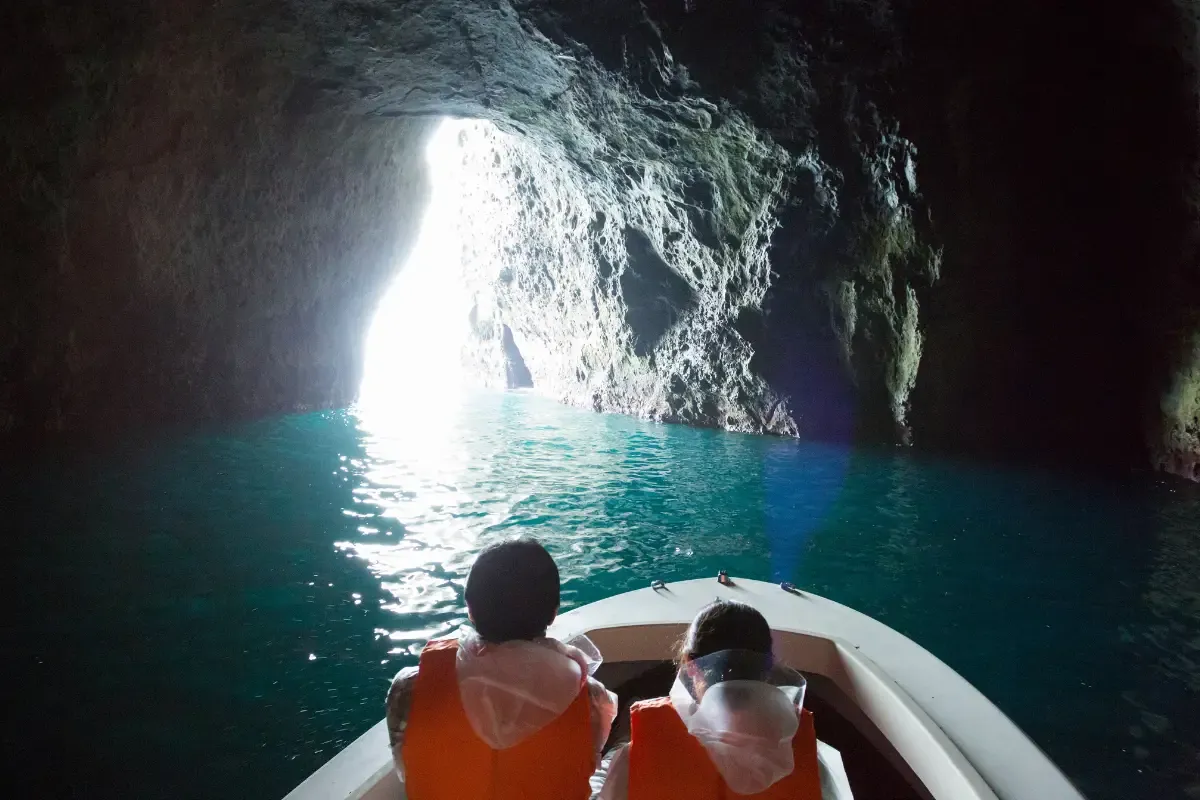
Blue Cave Cruise