- Otaru Travel Guide
- Shioya, Oshoro & Ranshima Area
Shioya, Oshoro & Ranshima Area
West of central Otaru, the coast continues through Shioya, Oshoro, and Ranshima. Otaru City’s Eight Scenic Areas program treats Momonai–Shioya and Ranshima–Oshoro as separate areas. Here you will find swimming beaches, bay views, historic sites, and places with literary connections.
Where to find Shioya, Oshoro & Ranshima
The Otaru Tourism Association’s 2025 guide map shows Shioya Station and Ranshima Station on the JR Hakodate Main Line toward Yoichi from Otaru. According to the same map, the JR ride from JR Otaru Station takes about 8–10 minutes to Shioya Station and about 16–20 minutes to Ranshima Station.
Shioya has Shioya Beach, the Sei Ito Literary Monument, and Goroda Hill. Oshoro has Oshoro Bay, Oshoro Shrine, and Oshoro Stone Circle. Ranshima is said to be where Hokkaido’s first proper swimming beach began.
Articles in This Area
For swimming seasons and an overview of beaches, see Beaches Around Otaru.
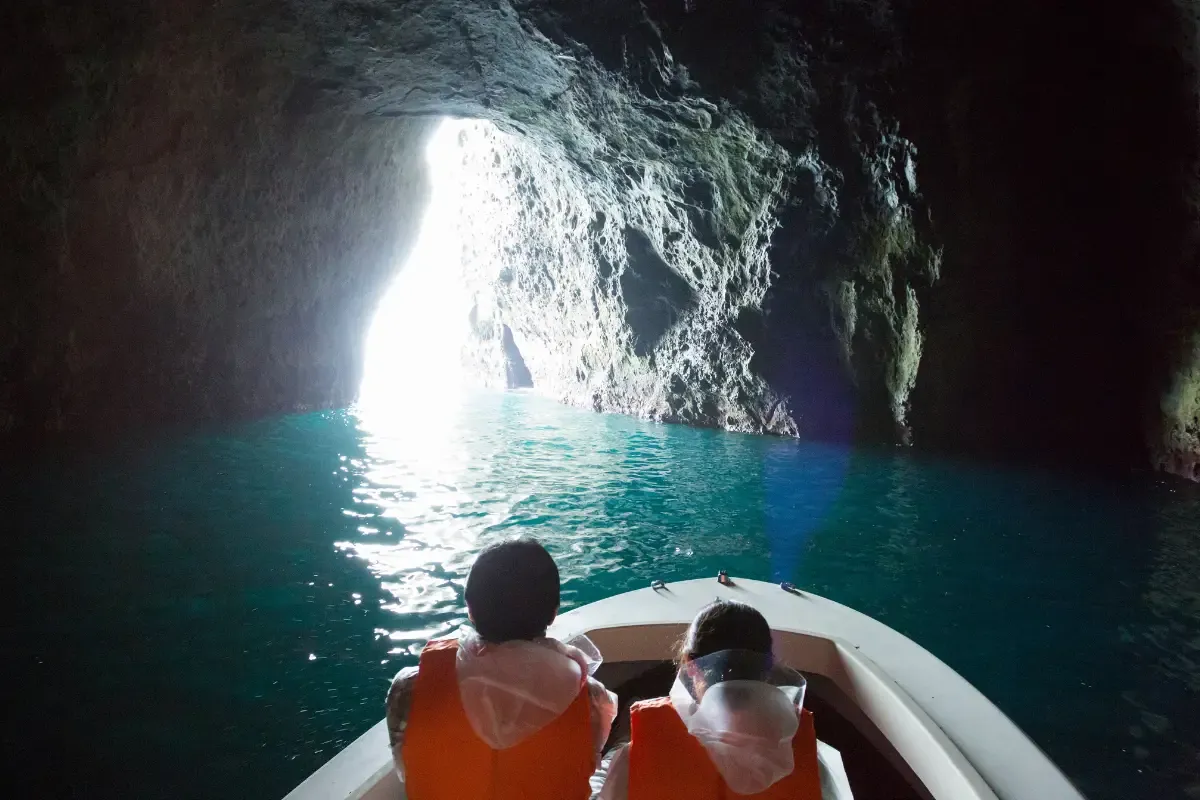
Sea activities departing from Shioya are covered in Blue Cave cruises, Sea kayaking in Otaru, and SUP & snorkeling.
You can also find summer ideas in Otaru in Summer.
For trips farther west, see From Otaru to Yoichi, Shakotan & Niseko and the Yoichi & Niki Area.
Other Sights (No Article Yet)
Oshoro Stone Circle
Oshoro Stone Circle is a nationally designated historic site in 2-chome Oshoro, Otaru. It is believed to date to the Late Jomon period, about 3500 years ago.
The stones form an oval measuring 33 m north to south and 22 m east to west. Before visiting, check the map in Otaru City’s guide to Oshoro Stone Circle.
Oshoro Bay & Oshoro Shrine
Oshoro Bay was selected for Otaru’s Eight Scenic Areas program for its views of a bay nestled between capes. Cape Ryuga, Kabuto Rock, and Oshoro Shrine are also among the area’s eight sights.
Otaru City describes Oshoro Shrine as a place preserving the city’s oldest historic building and old trees. For coastal scenery and local history, see Otaru City’s Ranshima–Oshoro area guide.
The history of Ranshima Beach
A rest facility was established on the Ranshima coast in July 1903, and it is said to be where Hokkaido’s first proper swimming beach began. A monument marks it as the birthplace of Hokkaido’s swimming beaches, and the shore is described as a sandy beach with gently shelving shallows.
For the full history, read Otaru City’s article, Kannonzaka, Part Two: Ranshima Beach.
Shioya’s hill & literary monument
The Sei Ito Literary Monument and Goroda Hill are among the eight sights in Otaru City’s Momonai–Shioya area. The small park containing the monument is about 30 m above sea level and is described as a place overlooking central Shioya and Cape Ponmai.
Sei Ito was born in 1905 and grew up in what was then Shioya Village, Oshoro District. Explore the literary connections in Otaru City’s Momonai–Shioya area guide and Otaru City’s article on Sei Ito.
Shioya also has the Shioya 3 Archaeological Site, believed to be the city’s oldest settlement site, dating back about 8000 years.
Getting there
According to the 2025 Otaru sightseeing guide map, the JR ride takes about 8–10 minutes to Shioya Station and about 16–20 minutes to Ranshima Station.
Hokkaido Chuo Bus route 17, the Shioya Line, runs from Honkyoku-mae to Shioya Kaigan. Otaru City states that Shioya Beach is a 1-minute walk from Shioya Kaigan.
The Otaru Tourism Association’s guide map shows Shioya, Oshoro, and Ranshima along Route 5. For itineraries continuing to Yoichi, also see From Otaru to Yoichi, Shakotan & Niseko.
Seasons & winter
In 2026, Shioya Beach is open July 11–August 16, and Ranshima Beach July 10–August 23. For other years, check opening dates in Otaru City’s beach guide.
Before using public transportation in winter, check JR Hokkaido train service updates and Hokkaido Chuo Bus cancellation information.
FAQ
Can I take a JR train from JR Otaru Station to Shioya or Ranshima?
Yes. According to the 2025 Otaru sightseeing guide map, the JR ride from JR Otaru Station takes about 8–10 minutes to Shioya Station and about 16–20 minutes to Ranshima Station.
When are the beaches open in 2026?
Shioya Beach is open July 11–August 16, and Ranshima Beach July 10–August 23. For other years, check Otaru City’s information.
What kind of historic site is Oshoro Stone Circle?
It dates to the Late Jomon period and was designated a national historic site in 1961. The stones form an oval measuring 33 m north to south and 22 m east to west.
More to Explore
-

Otaru Geihinkan
An ocean view from every room. Six rooms in five types, three of them with kitchens
-
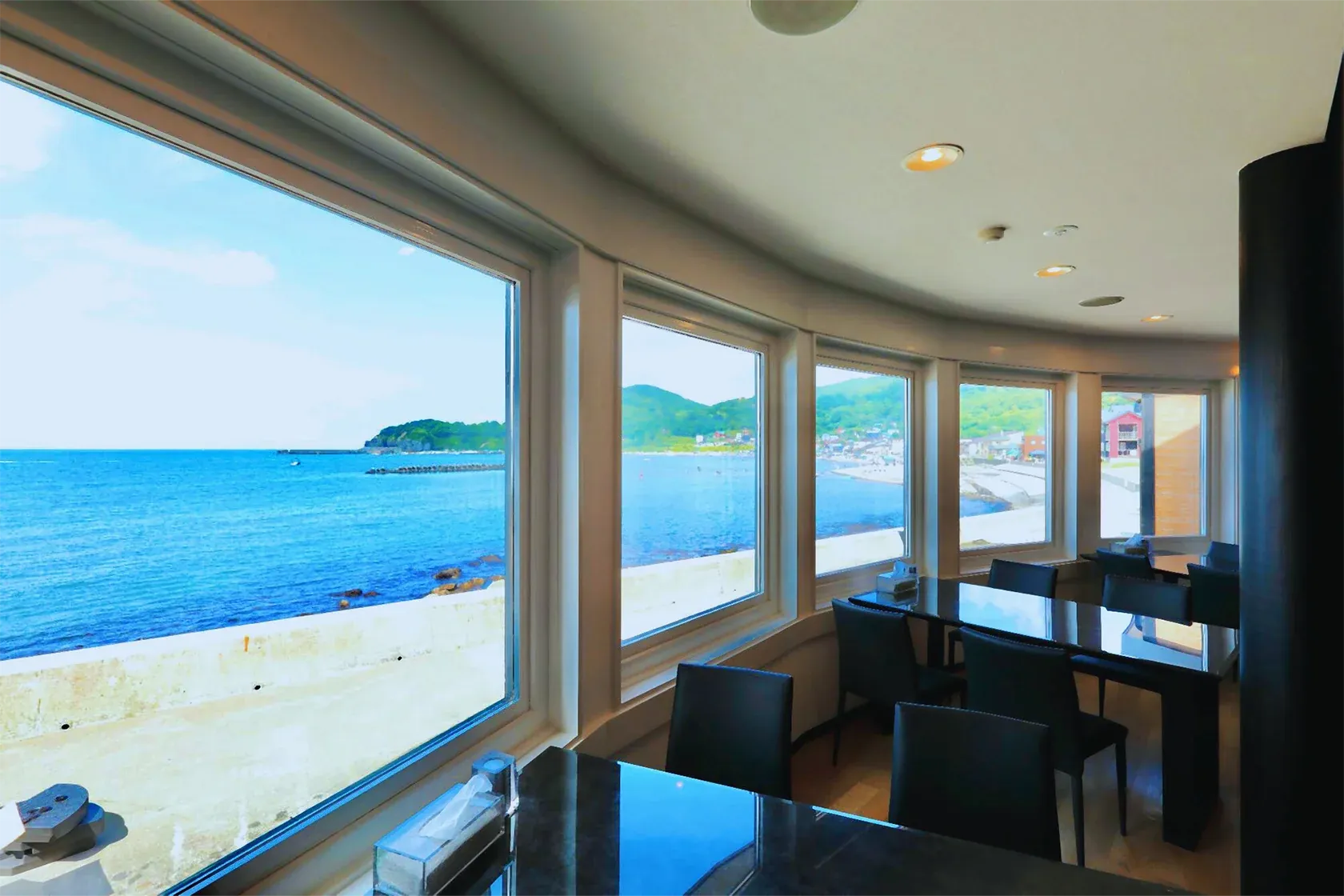
Restaurant ao
Otaru French (French cuisine made with ingredients from Otaru and Hokkaido) courses in an ocean-view restaurant overlooking the majestic Sea of Japan
-
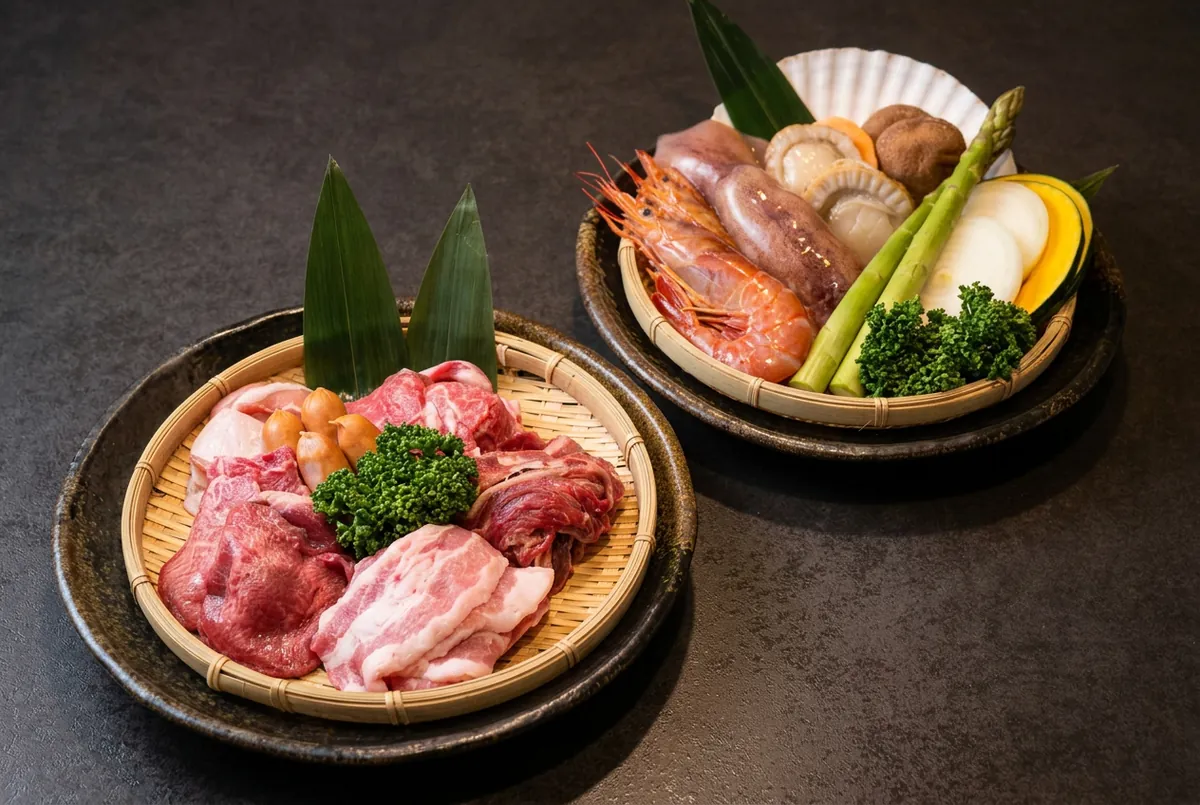
BBQ
Late April to early October: hands-free BBQ right by the sea. Bringing your own food and drinks is free of charge
-
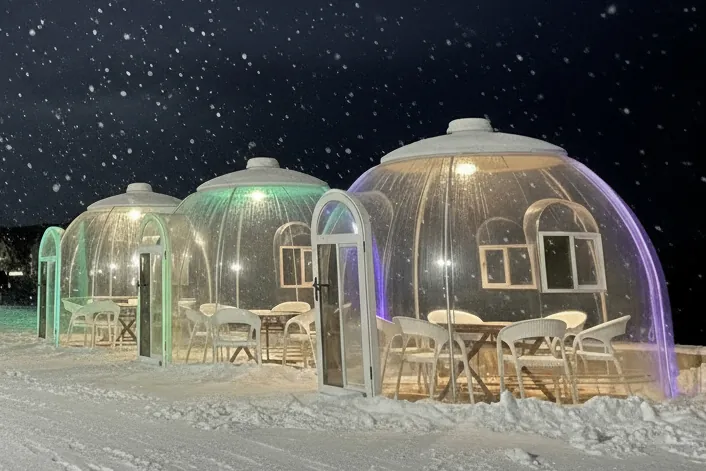
Dining Dome ao
In autumn and winter, enjoy hot pot inside a transparent dome. Open to day visitors as well as hotel guests
-
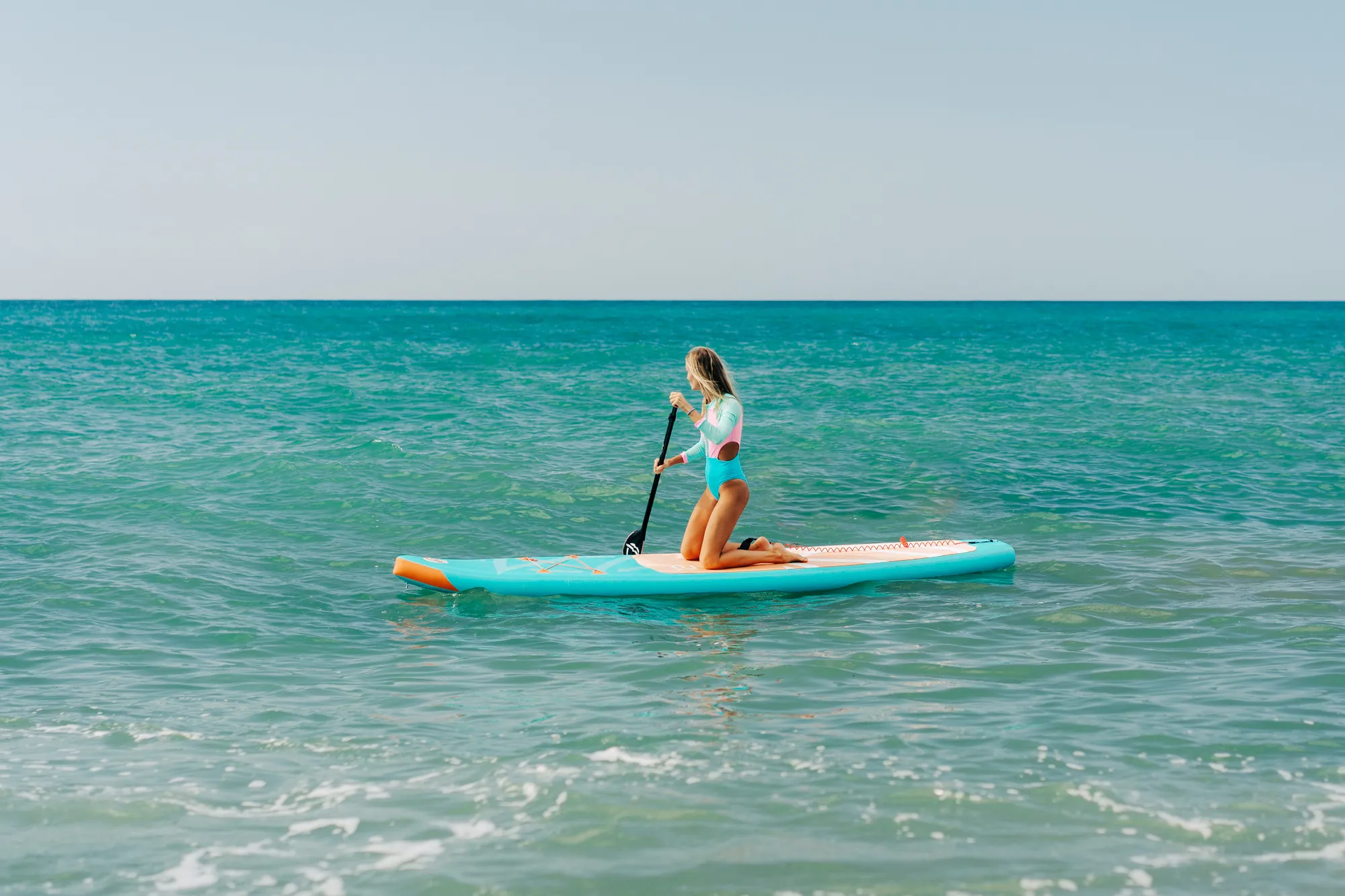
SUP & Snorkeling
-

Glassblowing Experience
-
Blue Cave Cruise