- Otaru Travel Guide
- Former Aoyama Villa (Otaru Kihinkan)
Former Aoyama Villa (Otaru Kihinkan)
Time needed: 1 hour
Estimated cost: please check the official website
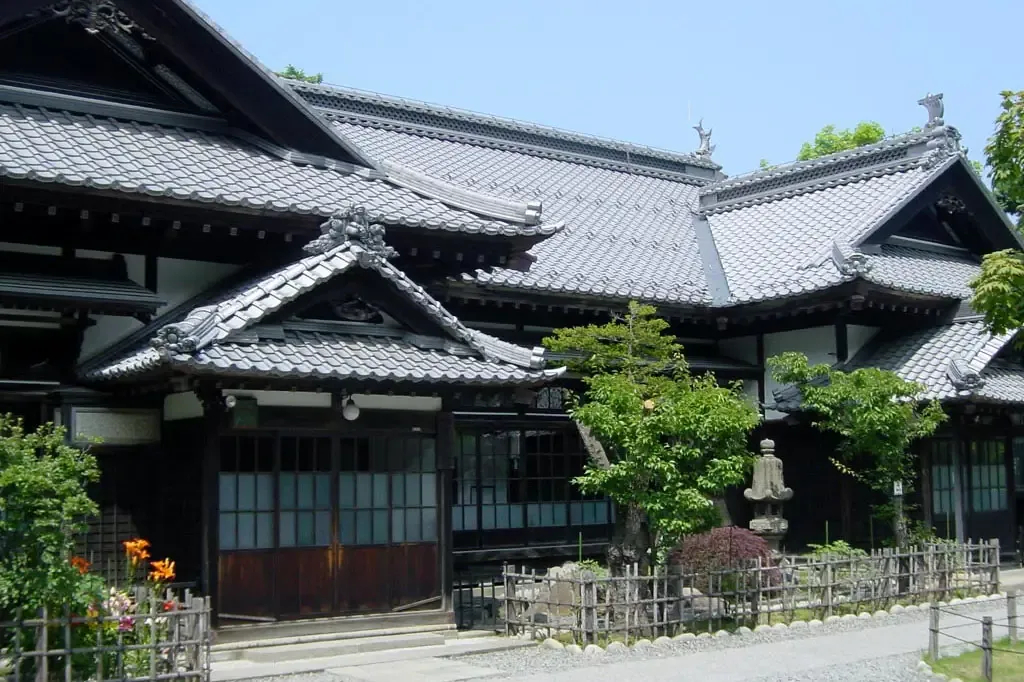
The former Aoyama Villa was used as the second residence of the Aoyama family, who built their wealth through herring fishing. It is a historic building from the Taisho era, designated a Registered Tangible Cultural Property of Japan.
The former Aoyama Villa is also known as a herring mansion and is popularly called Otaru Kihinkan.
It also appears in “Golden Kamuy”, the popular manga and anime set in Hokkaido.
Herring Gold Rush
Huge catches of herring were taken off Otaru, and that herring helped the city grow significantly.
Around 1868, the population was just over 1,000. By 1897, it had grown to 60,000.
In the first national census in 1920, Otaru ranked 13th in Japan by population.
This was also the period when many of the buildings that symbolize Otaru today were built, including the former Bank of Japan Otaru Branch and the warehouses.
Because herring drove such dramatic growth, this era is known as the “Herring Gold Rush.”
How Did Herring Create Such Wealth?
When people think of herring, they probably picture it as sushi or as a topping for herring soba.
In those days, however, herring seems to have been used not as food but to make herring meal (a fertilizer) and lamp oil.
Herring fertilizer was of better quality than fertilizer made from dried cod or dried sardines, and it suited crops such as cotton and indigo, so it sold at high prices.
A Grand Mansion Costing About 3 Billion Yen
Otaru Kihinkan is a grand mansion that took six and a half years to build, at a total cost equal to about 3 billion yen today.
Valuable Japanese crafts are still on display on the grounds.
The builders had large quantities of zelkova timber shipped in from Sakata. The roof is tiled, which is unusual in snowy Hokkaido, and the undersides of the eaves are all hand-carved. The floors and pillars are zelkova finished in shunkei lacquer, and the interior includes shikkui plaster walls, wide ceiling boards of jindai cedar, nightingale-floor corridors, and a long beam (nageshi) made from a single piece with no joint from one end to the other. The tokonoma alcove in the shoin-style room is made with rosewood, ebony, tagayasan, and sandalwood. The sliding-door pulls are cloisonné, which was valued as highly as gemstones at the time. The transoms are carved from bamboo, rosewood, and sandalwood. There are gardens on three sides of the building, including a pond garden built for the family’s eyes alone and a dry landscape courtyard that combines pine and stone, and there are too many other features to count.
What Is a Herring Mansion? Otaru Kihinkan
The sliding-door paintings, which painters of the Kano school lineage vied with one another to create, and the calligraphy are also superb.
The building is not the only highlight. The garden, with seasonal flowers in bloom, is another.
| Late April–late May | Cherry blossoms Ume plum blossoms Azaleas Enkianthus |
| Late May–mid-June | Tree peonies |
| Mid-June–early July | Peonies |
| June | Ryukyu azaleas Satsuki azaleas Rhododendrons |
| Late June–mid-August | Lilies Rose of Sharon |
| Early July–early August | Hydrangeas |
| October | Red weeping maples Japanese anemones Chinese lanterns |
| Early December–February | Winter protection for garden trees Yukitsuri (rope supports for snow-laden branches) |
Things to Do Here
Admire the architecture and interiors
Take in the architecture and interior design of the Former Aoyama Villa.
Enjoy the garden flowers
Enjoy a garden where seasonal flowers bloom.
For flowering conditions, garden opening periods, and admission fees, please check the facility’s information.
More to Explore
-

Glassblowing Experience
-
Restaurant ao
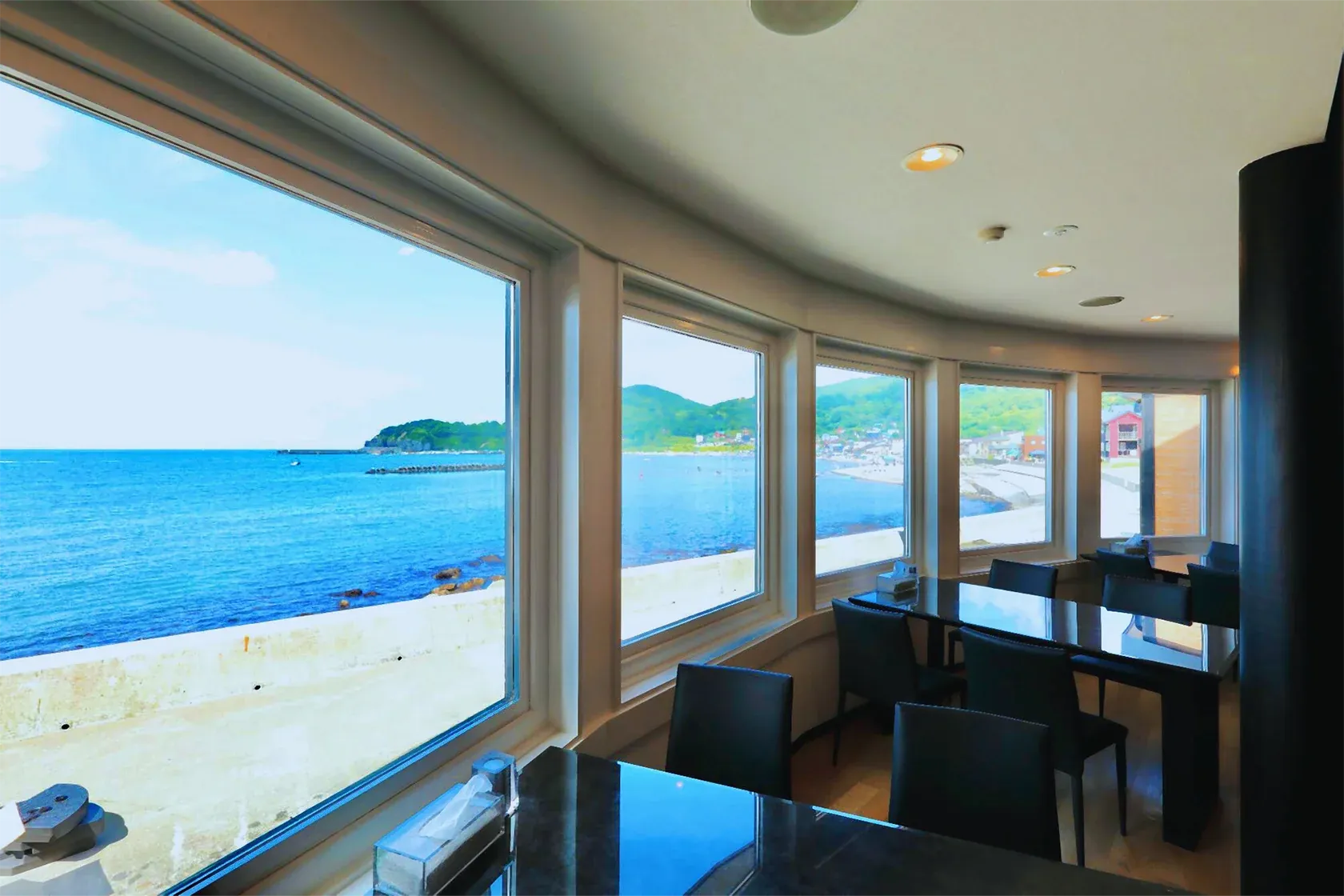
Otaru French (French cuisine made with ingredients from Otaru and Hokkaido) courses in an ocean-view restaurant overlooking the majestic Sea of Japan
-
Otaru Geihinkan
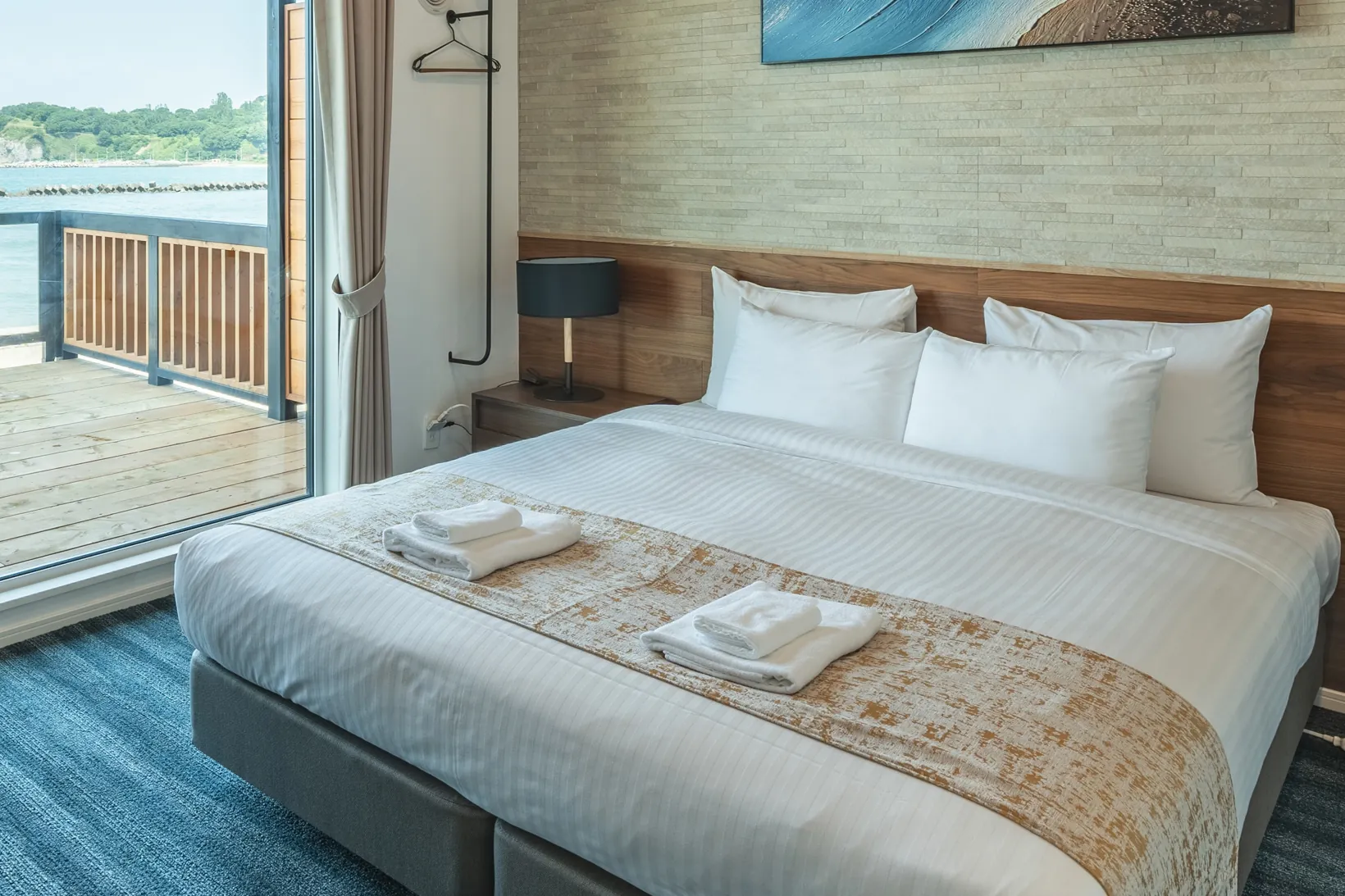
An ocean view from every room. Six rooms in five types, three of them with kitchens
-
BBQ
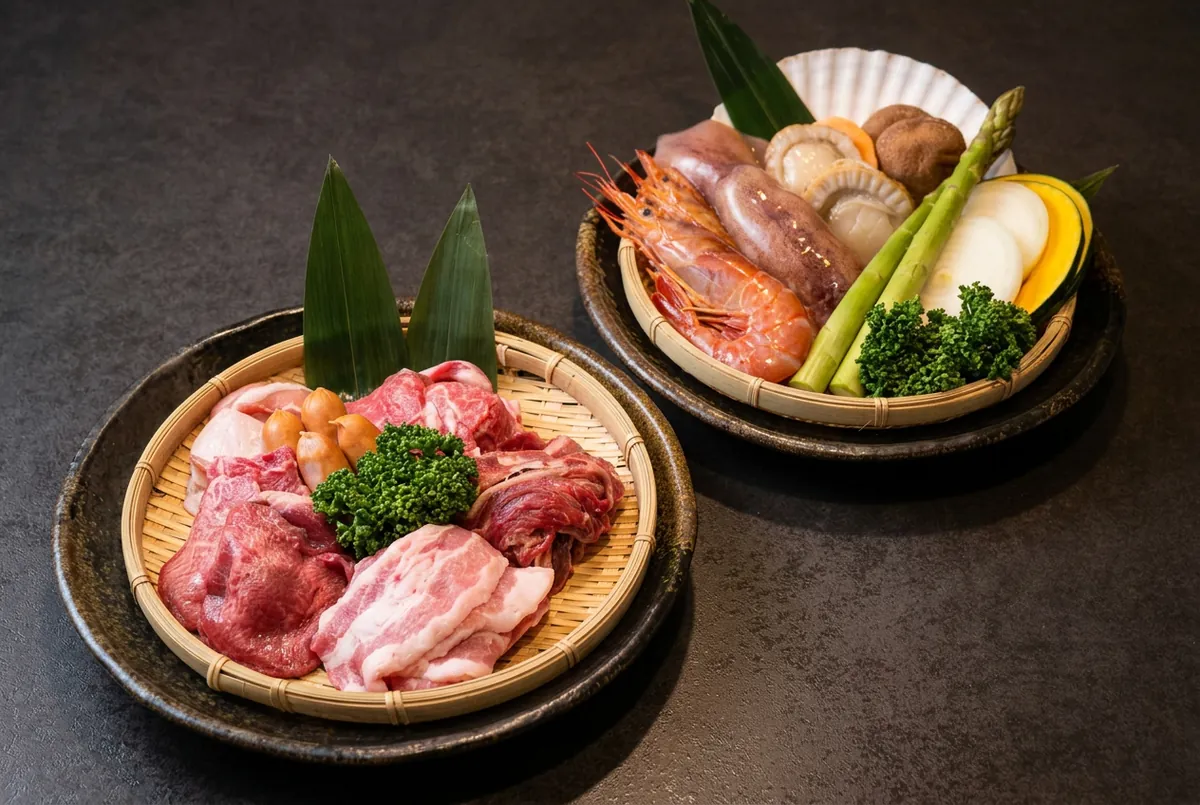
Late April to early October: hands-free BBQ right by the sea. Bringing your own food and drinks is free of charge
-
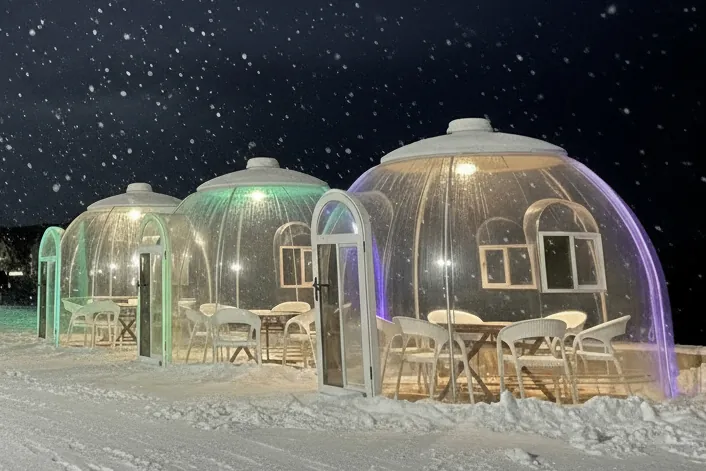
Dining Dome ao
In autumn and winter, enjoy hot pot inside a transparent dome. Open to day visitors as well as hotel guests
-
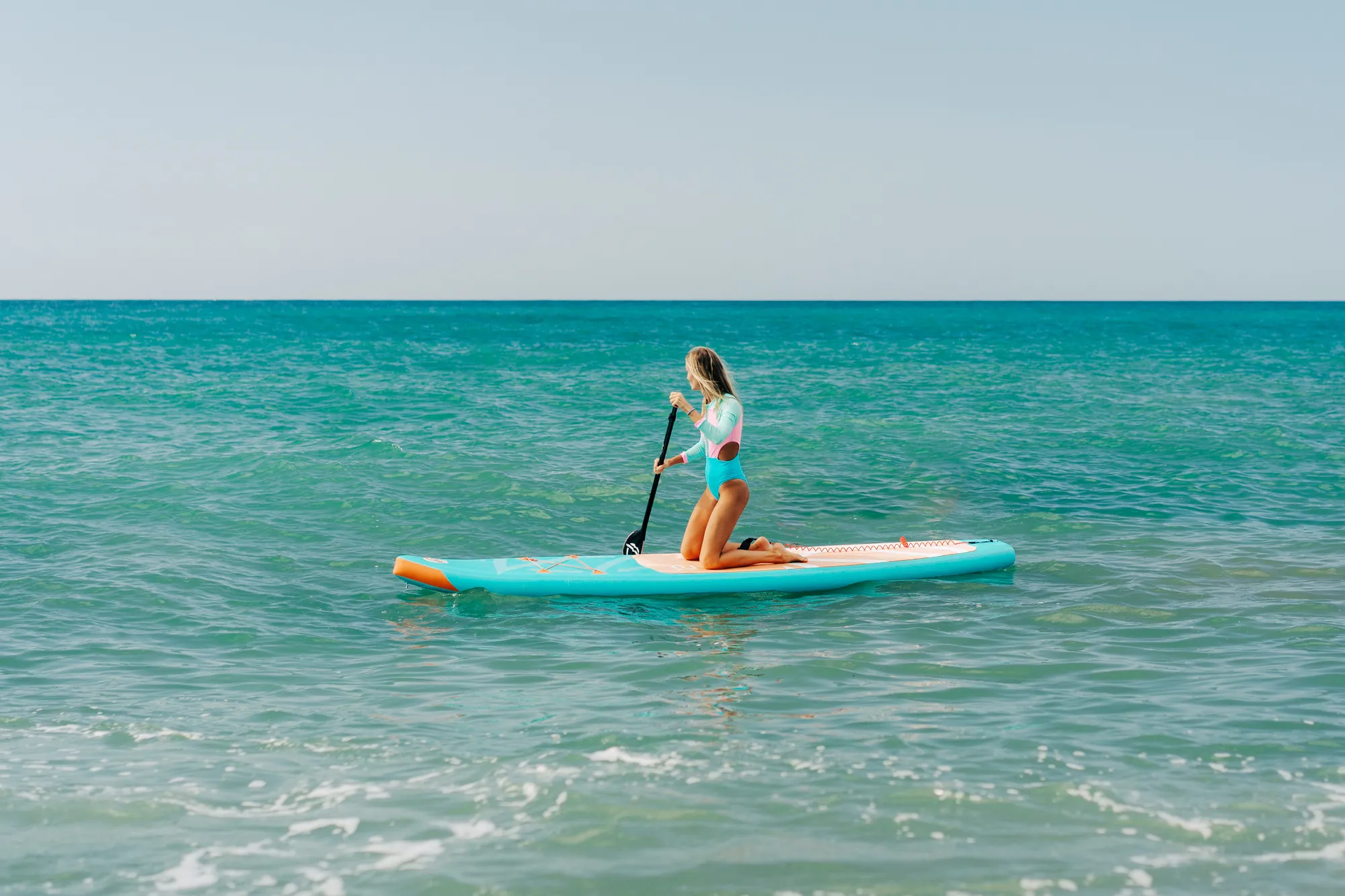
SUP & Snorkeling
-
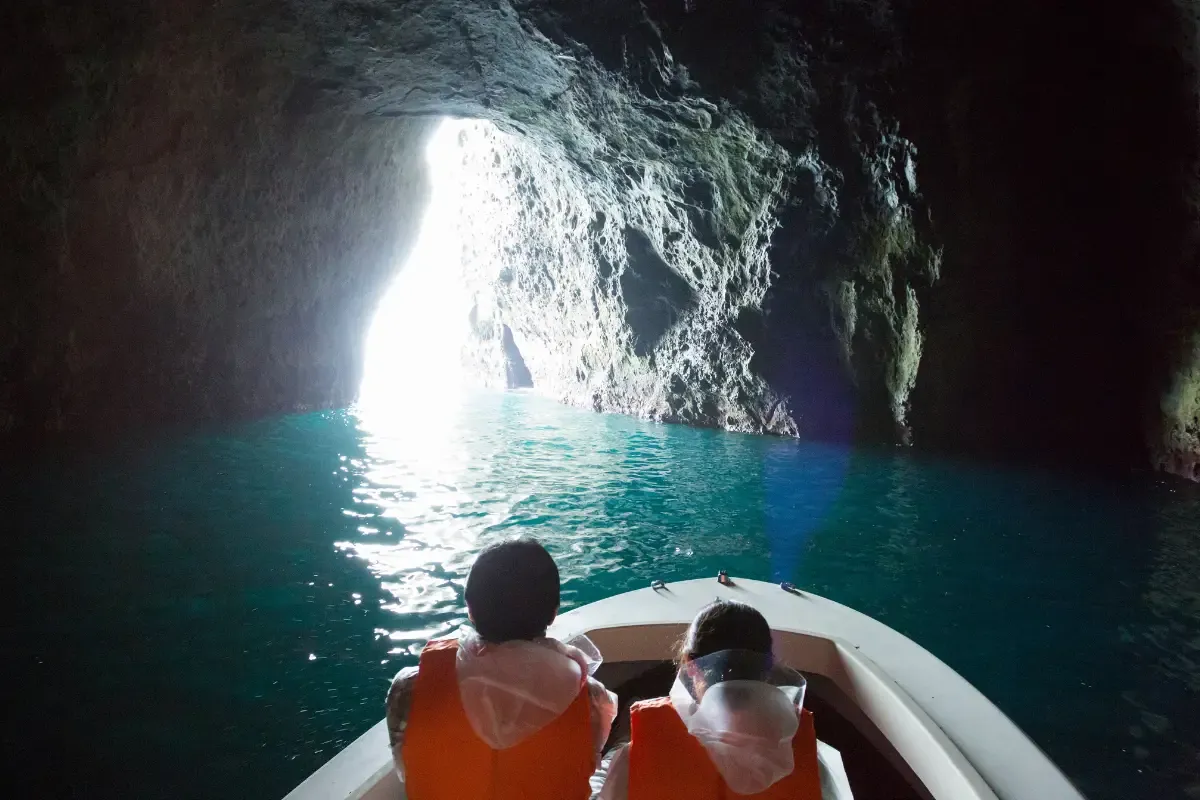
Blue Cave Cruise